
India’s Central forests don’t behave like typical travel destinations. You don’t arrive and settle in immediately. You enter, and the environment changes pace. Sal forests feel thicker, grasslands open without warning, long empty tracks stretch deeper than expected, and bird calls cut through silence in sharp bursts. The experience builds slowly. It’s less about arrival and more about adjustment.
A Kanha expedition is often the starting point for exploring this region. But Kanha is not a standalone experience. It sits within a wider Central India wildlife circuit where each forest adds a different layer of terrain, behaviour, and atmosphere.
Kanha Expedition: The Core of Central India Wildlife
A Kanha expedition offers one of the most structured wildlife experiences in India.
Kanha National Park is defined by a strong balance of open meadows and dense sal forests. This mix creates visibility without removing unpredictability. Safari zones are well managed, but wildlife movement remains natural and unforced.
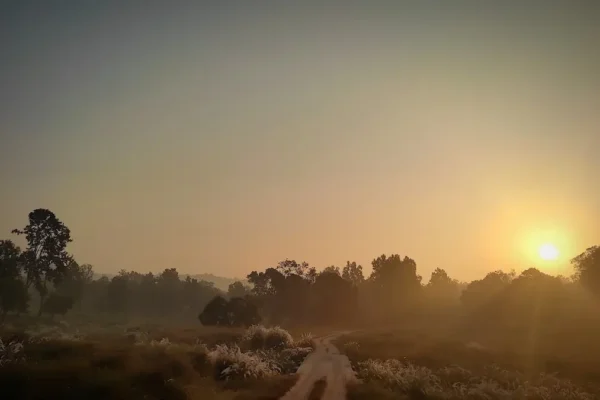
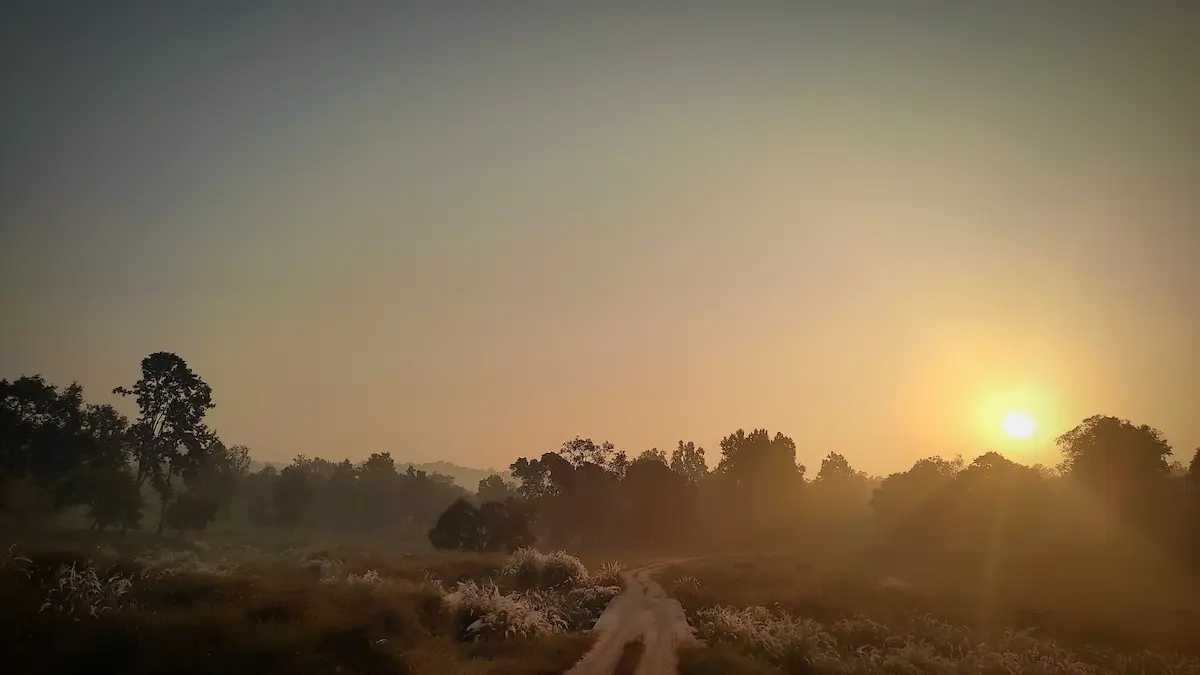
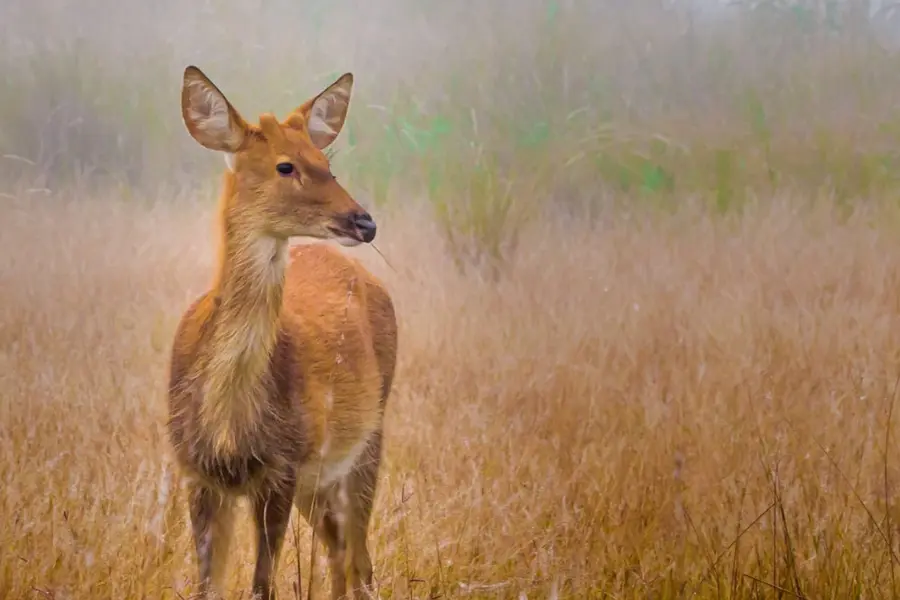
Morning safaris carry the most activity. Mist hangs over grasslands, tracks are fresh, and the forest gradually becomes active with light. Tigers remain a major attraction, but the ecosystem is wider than that. Barasingha, deer herds, bird movement, and alarm calls together shape the experience.
A Kanha expedition works because it trains attention before expectation.
Why a Kanha Expedition is the Best Entry Point for Wildlife Travel
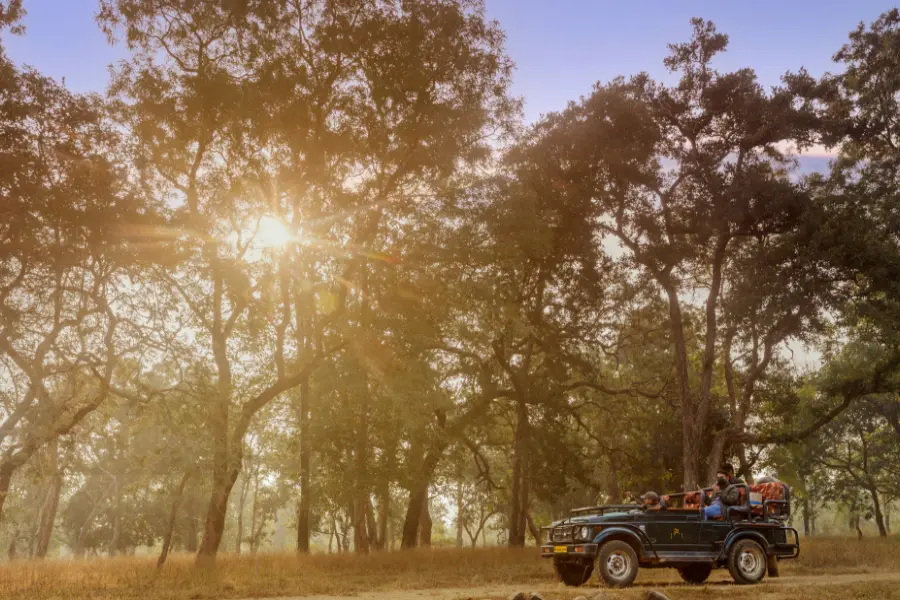
A Kanha expedition is often chosen as the first wildlife experience in Central India because it is balanced and accessible.
The safari system is organized, but the forest itself is not predictable. Nothing is guaranteed, and that becomes part of the experience rather than a limitation.
Over time, the focus shifts from sightings to reading patterns. Silence becomes meaningful. Movement in the distance matters. Even stillness feels like information.
This is where Kanha becomes important. It builds the mindset required for understanding other wildlife destinations in India in the region.
Beyond Kanha: The Central India Wildlife Circuit
A Kanha expedition is one part of a larger connected ecosystem.
Bandhavgarh National Park is known for higher tiger density and more intense sightings.
Pench National Park offers a quieter, cinematic landscape with teak forests and open safari routes.
Satpura National Park is slower, with walking safaris, canoe rides, and low disturbance zones that focus on immersion rather than sightings.
Together, these forests form a connected wildlife circuit rather than separate destinations. Travellers exploring this landscape often realise that the value comes from contrast, not repetition.
How to Plan a Kanha Expedition (Safaris, Timing, Itinerary)
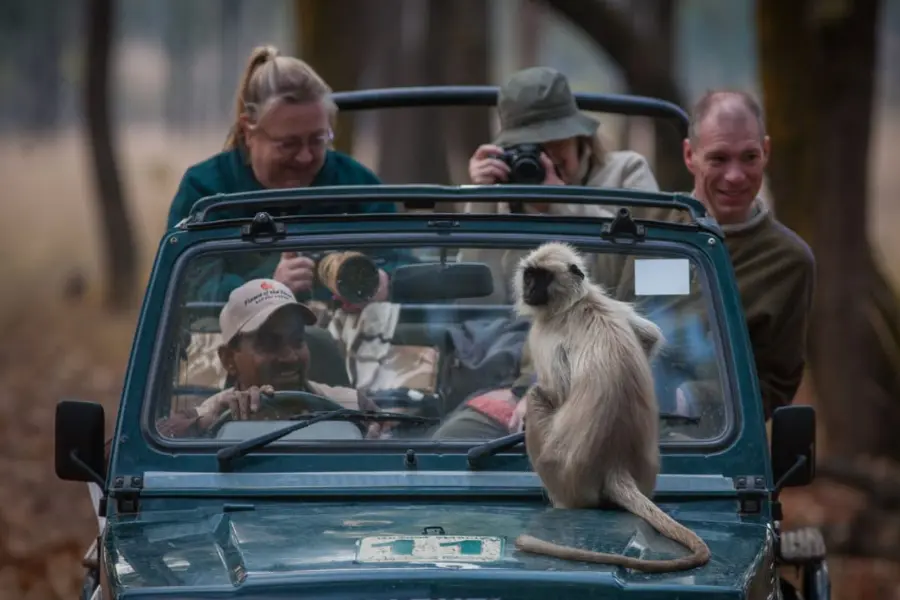
A successful Kanha expedition depends on planning more than luck.
Safari timing affects visibility and behaviour. Morning safaris are more active with higher chances of movement. Evening safaris are quieter but often reveal unexpected activity patterns.
For multi-park journeys, sequence matters. Kanha works first because it sets the base. Bandhavgarh adds intensity. Satpura slows everything down and ends the journey on a quieter note.
Well-structured India wildlife journeys are built around variation in pace, terrain, and density rather than repeating similar safari experiences.
Conclusion
A Kanha expedition rarely stays just a plan on paper. It becomes a reference point for how you see forests later. Kanha gives balance, Bandhavgarh adds intensity, Pench brings atmosphere, and Satpura strips everything down to silence. Together, they reshape what a wildlife journey actually feels like.
If you’re planning your next trip, explore custom itineraries built to connect these incredible forests into one continuous experience.