
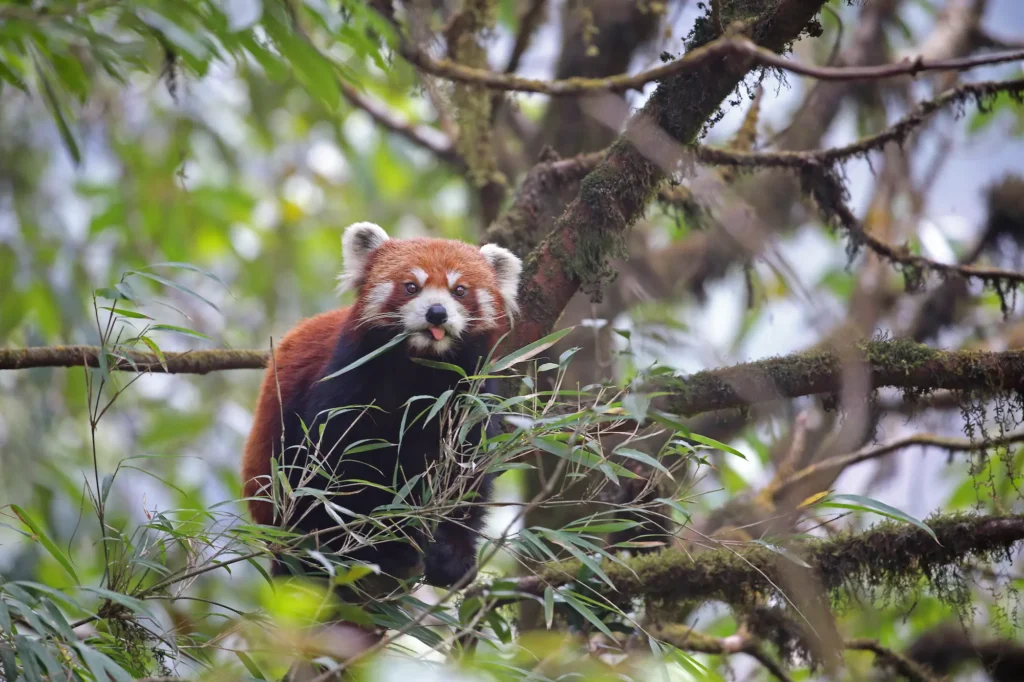
Most first-time travellers assume spotting a red panda is simply about reaching the right forest. But anyone familiar with the Eastern Himalayas knows the truth: maps may get you to the landscape, but they rarely get you to the animal. A successful Red Panda Expedition depends on something far more difficult to measure, understanding how the forest changes, how wildlife moves, and what experienced expedition leaders notice long before most travellers do.
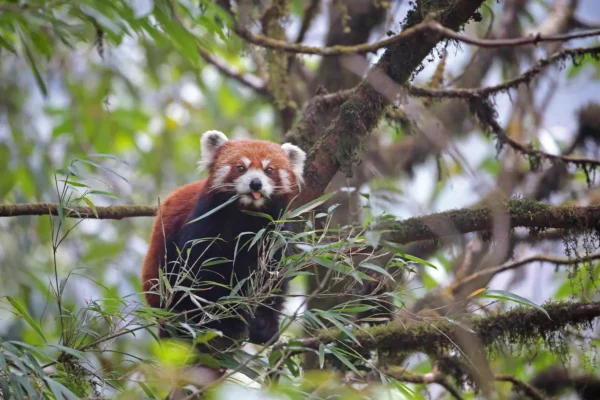
Hidden within dense Himalayan forests, red pandas are among the world’s most elusive mammals. Thick bamboo cover, shifting weather, changing feeding areas, and quiet movement patterns make sightings incredibly unpredictable. This is exactly why experience matters. The people guiding the expedition often understand the forest in ways that no marked trail or digital map ever could.
Why a Red Panda Expedition Is About More Than Location
A Red Panda Expedition is not simply about arriving in the right destination. Even within ideal habitats, sightings are never guaranteed.
Unlike traditional safaris where wildlife tracking follows established routes, red panda habitats shift with changing forest conditions. Dense bamboo zones, steep terrain, seasonal weather, and food availability all influence movement patterns.
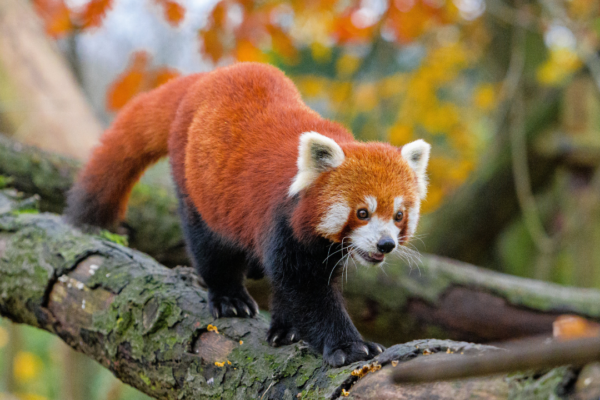
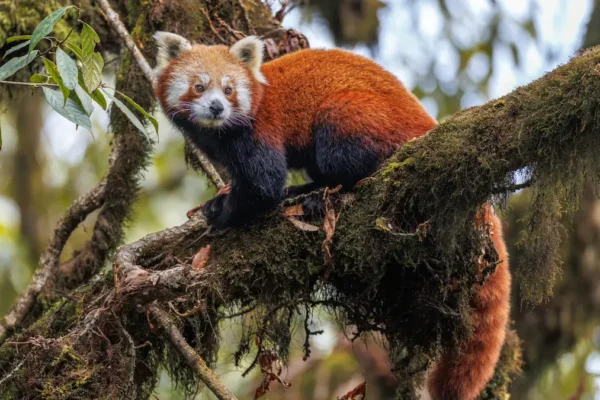
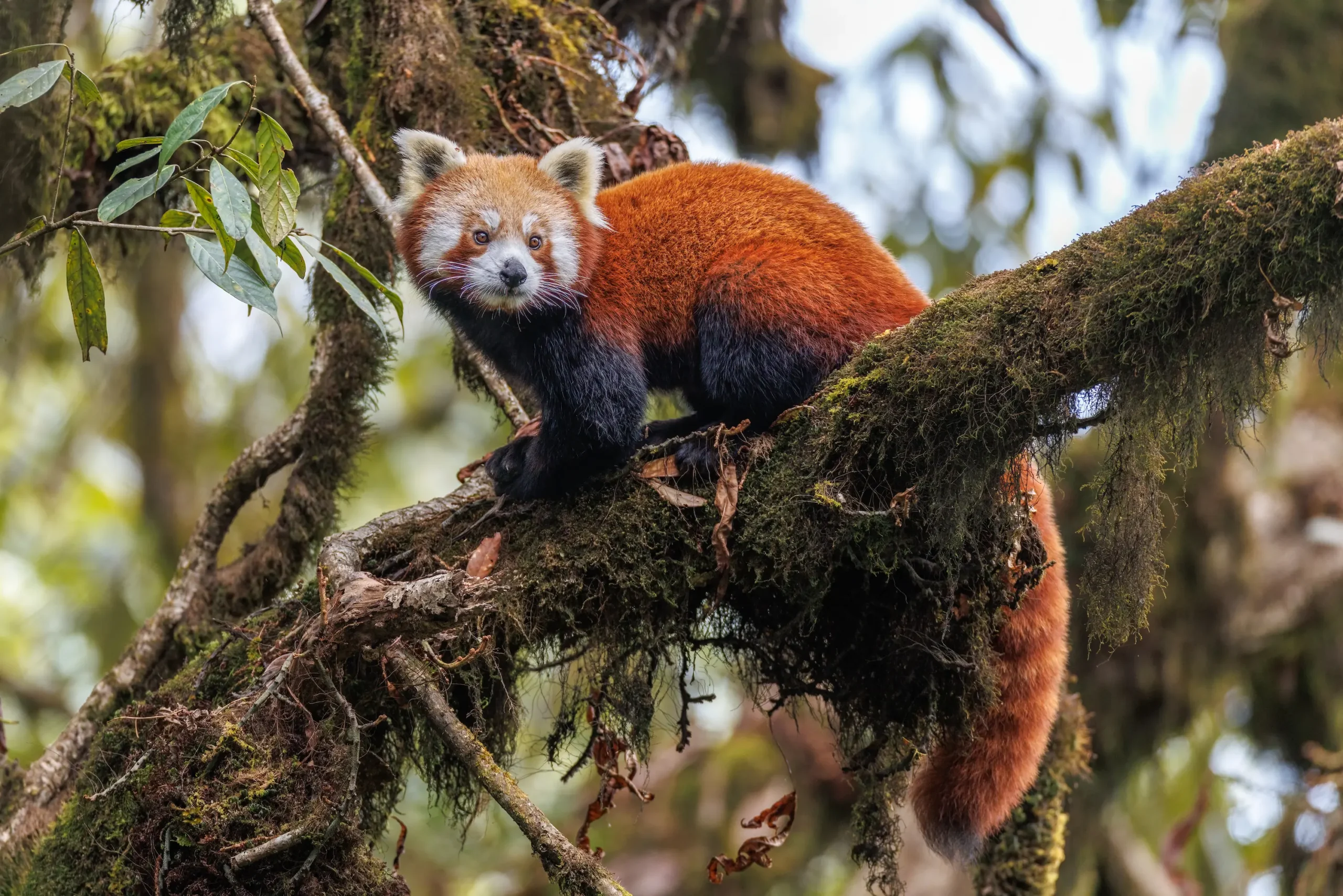
Red pandas are naturally shy and spend much of their time hidden within thick forest canopies. They move quietly, rest in hard-to-spot locations, and often remain invisible even when nearby. This makes random sightings rare.
For travellers, this means the experience becomes less about following trails and more about understanding how wildlife interacts with an ever-changing ecosystem.
What Experienced Expedition Leaders Read in the Forest
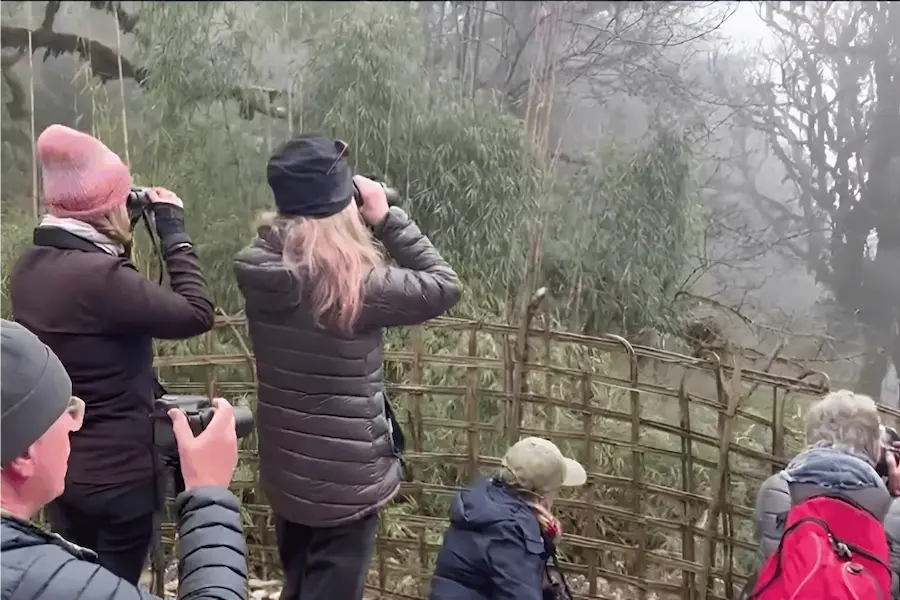
To most travellers, the forest can feel still and unchanged. But experienced expedition leaders read it differently.
Subtle movement in bamboo cover, feeding signs, fresh markings, changes in bird activity, and even shifts in forest silence can reveal far more than people realise. These are details that never appear on maps, yet they often shape the direction of the day.
Even small changes in weather or recent animal movement can influence where red pandas are likely to rest or feed. What looks unchanged to an untrained eye may appear completely different to someone who regularly tracks wildlife through these landscapes.
This knowledge often becomes the difference between simply walking through a forest and understanding how to move through it with purpose.
Why Maps Alone Cannot Lead You to a Red Panda
Maps can show trails, elevation, and terrain. What they cannot show is how a living ecosystem changes from one season to the next.
A forest zone that offered strong sighting opportunities weeks ago may become quieter due to weather shifts or feeding changes. Bamboo growth patterns evolve, temperatures affect wildlife behaviour, and movement zones constantly adapt.
This unpredictability is exactly why a Red Panda Expedition relies heavily on field expertise rather than fixed routes. The most rewarding sightings often happen because experienced trackers recognise details most travellers would never think to notice.
In many ways, success comes from learning to understand the forest rather than simply navigating through it.
How Expert Guidance Shapes a Better Red Panda Expedition
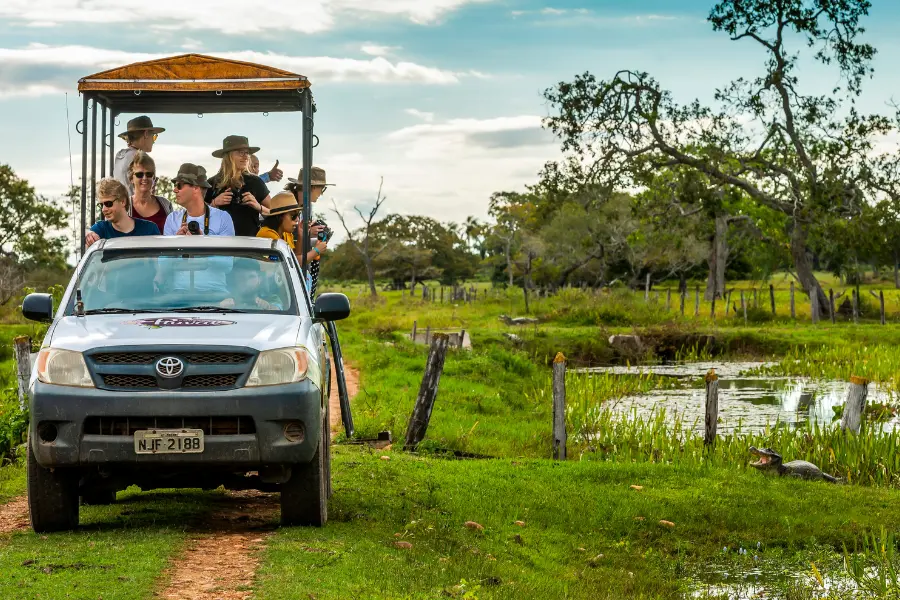
The best wildlife experiences rarely happen by chance. They are shaped by preparation, patience, and expertise.
A thoughtfully planned Red Panda Expedition offers more than the possibility of a sighting. Experienced naturalists help travellers understand behaviour, habitat, conservation efforts, and the delicate ecosystems that support these rare animals.
For travellers seeking a more immersive Himalayan wildlife experience, red panda expeditions with Just Nature Expeditions are designed around experienced field guidance, meaningful time in the forest, and carefully paced tracking experiences that prioritise understanding over rushed travel.
Conclusion
A Red Panda Expedition is unlike most wildlife journeys because success depends on far more than reaching the right place. Hidden within dense Himalayan forests, red pandas require patience, timing, and a level of environmental understanding that goes far beyond marked trails.
What makes the experience truly extraordinary is not only the possibility of a sighting, but the deeper perspective that comes from learning how forests work, how wildlife moves, and how experienced expedition leaders quietly interpret signs most travellers never notice.
If you are planning a Red Panda Expedition, travelling with experienced wildlife specialists can completely shape the experience. Explore immersive red panda expeditions with Just Nature Expeditions and experience the Eastern Himalayas through the eyes of people who know the forest beyond what any map can show.