

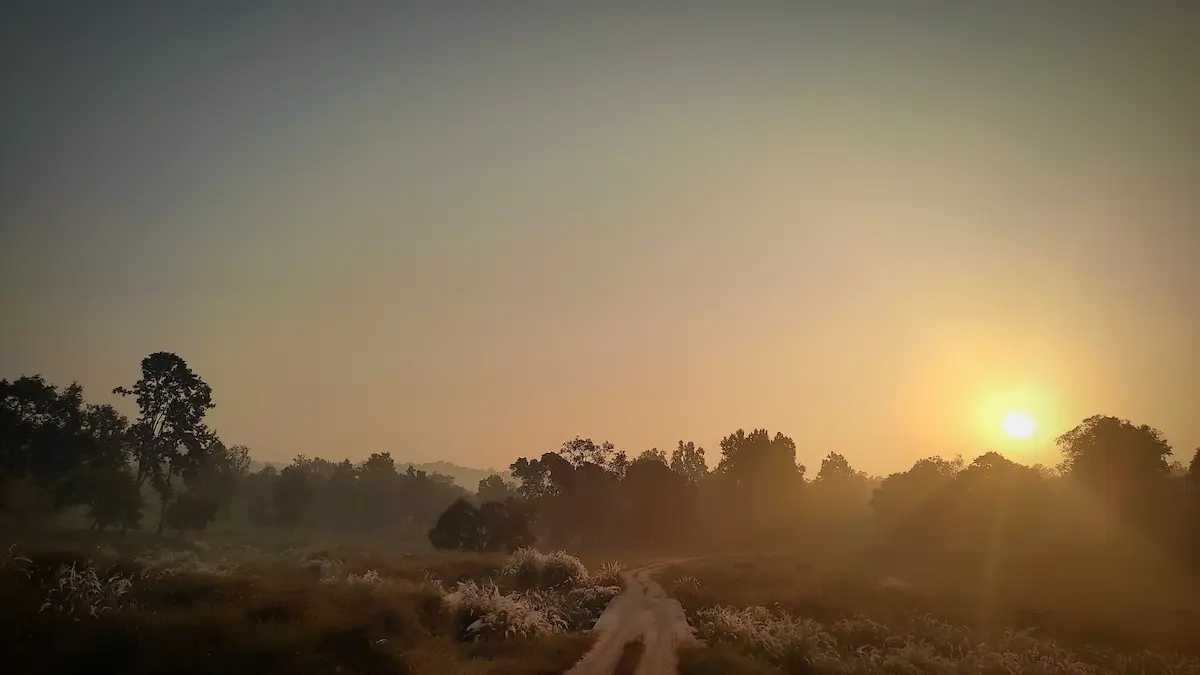
You know that feeling when you step into a place, and it just feels different? That’s what happens on a Kanha expedition. The forest doesn’t announce itself. It exists quietly, waiting for you to catch its rhythm.
Most people think a Kanha expedition is about spotting tigers. Seeing a tiger is incredible. But the real magic is in everything else.
The Forest Is Actually Alive
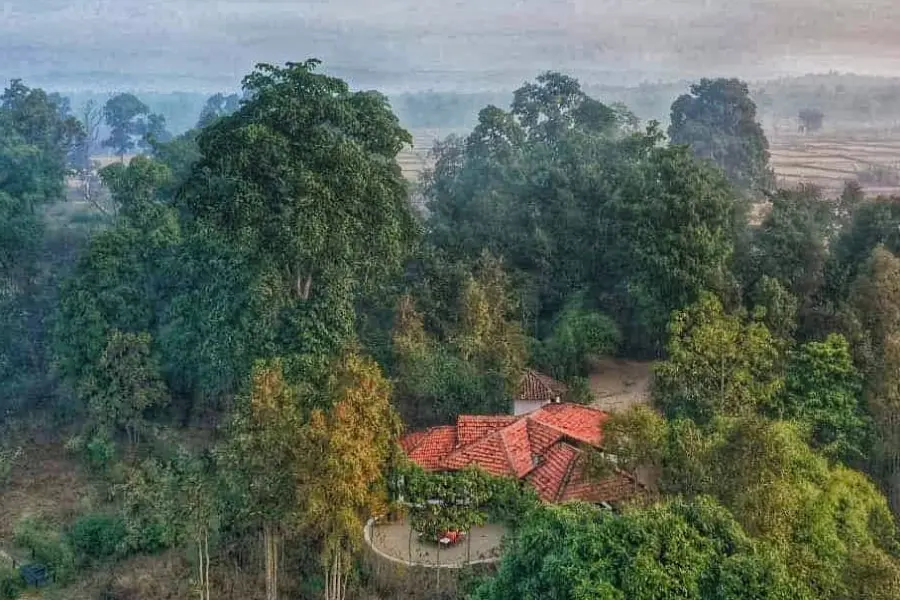
Kanha isn’t just trees and grass. The sal forests are old, established, and know what they’re doing. Meadows open suddenly. Bamboo thickets create natural pathways. Water spots scatter everywhere. It all connects.
Nothing in Kanha exists by accident. The forest shapes animals, and animals keep the forest alive. When you understand this, you stop seeing a Kanha National Park expedition as just a place to visit. You see it as a living system that’s worked long before you arrived.
The Animals Tell the Real Story
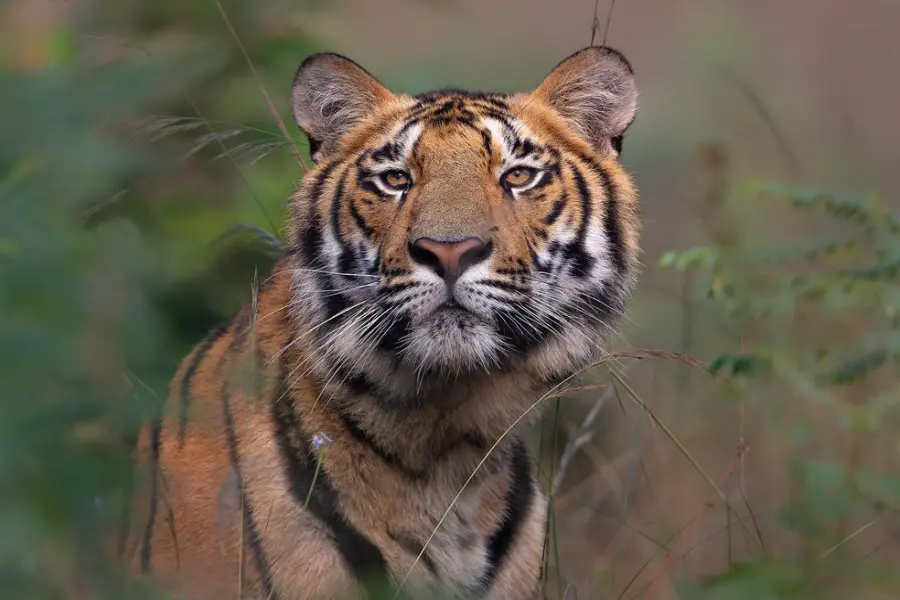
Everyone comes for the tigers. But a Kanha safari shows you that the tiger is just one character in a bigger story.
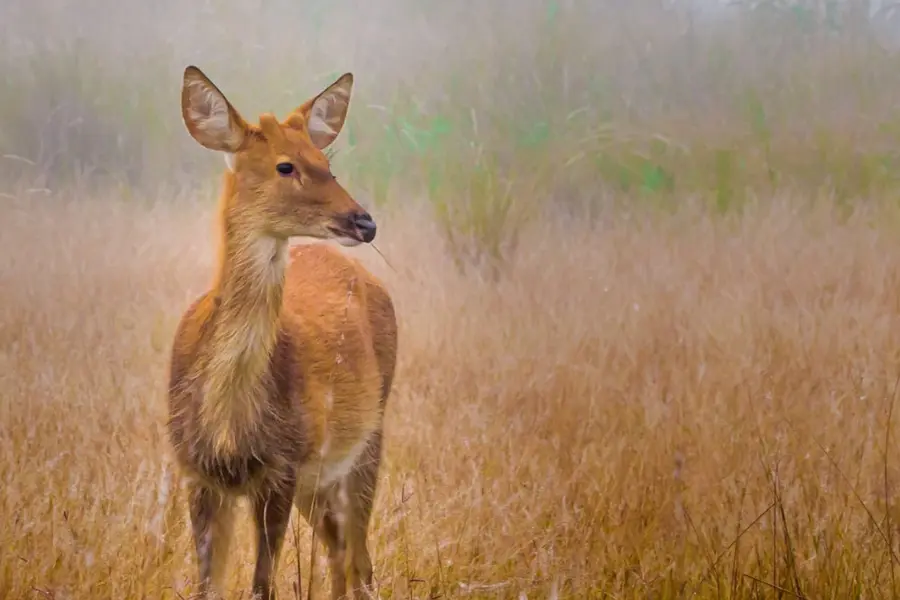
Barasingha deer move through grasslands with grace. Wild dogs hunt together with coordination. Gaur commands respect just by existing. Langurs create entire social structures in trees. Over 350 bird species fill the air with sound and colour.
Every animal you see tells you about the forest’s health. Healthy barasingha means grasslands are managed well. Successful wild dog hunts mean prey is abundant. Birds returning in the monsoon means the water cycle works. A Kanha wildlife experience is a lesson in how ecosystems function.
The Forest Speaks If You Listen
The forest communicates constantly, but most people don’t notice.
When a deer makes that sharp alarm call, something’s happening. When everything goes quiet, predators are near. Animals know this language. Your guide teaches you to read it.
Once you notice these signs, you can’t stop seeing them. A drive where “nothing happens” becomes fascinating because you see so much. You notice how animals behave at different times. How the forest changes mood from dawn to dusk. How patterns repeat.
That’s when the real Kanha expedition begins.
Everything Moves Slower Here
The best part of a Kanha safari is the waiting. The silence. The drives where nothing dramatic happens.
Modern life is fast. We rush constantly. A Kanha expedition forces you to stop. You sit in the jeep and wait. You watch. You breathe. The forest moves at its pace, not yours.
When something happens, when a tiger appears or you see wild dogs hunt or watch deer grazing at dusk, the moment feels earned. You weren’t checking your phone. You were there. That presence changes something in you.
Every Season Shows You Something New
Kanha in winter is different from Kanha in the monsoon. In winter, grass is short, visibility is better, and tigers are spotted more. The forest feels open and golden. In monsoon, everything turns green. Thousands of birds return. The air feels alive.
Visit once and you see something. Visit multiple times, and you understand something. That’s the difference.
Conclusion
A Kanha expedition shifts the way you look at things. Not because of one dramatic sighting, but because you start noticing what you would usually miss. Forests stop feeling like a backdrop. Wildlife is no longer just something to capture. Everything feels connected.
You take that back with you. The way you observe changes. You start seeing patterns, understanding balance, and respecting the wild with more awareness.
If you want to experience India’s wilderness with that kind of perspective, a Kanha Expedition with Just Nature Expeditions is worth considering. Plan your Kanha National Park Expedition at your own pace and discover what the forest reveals.

