
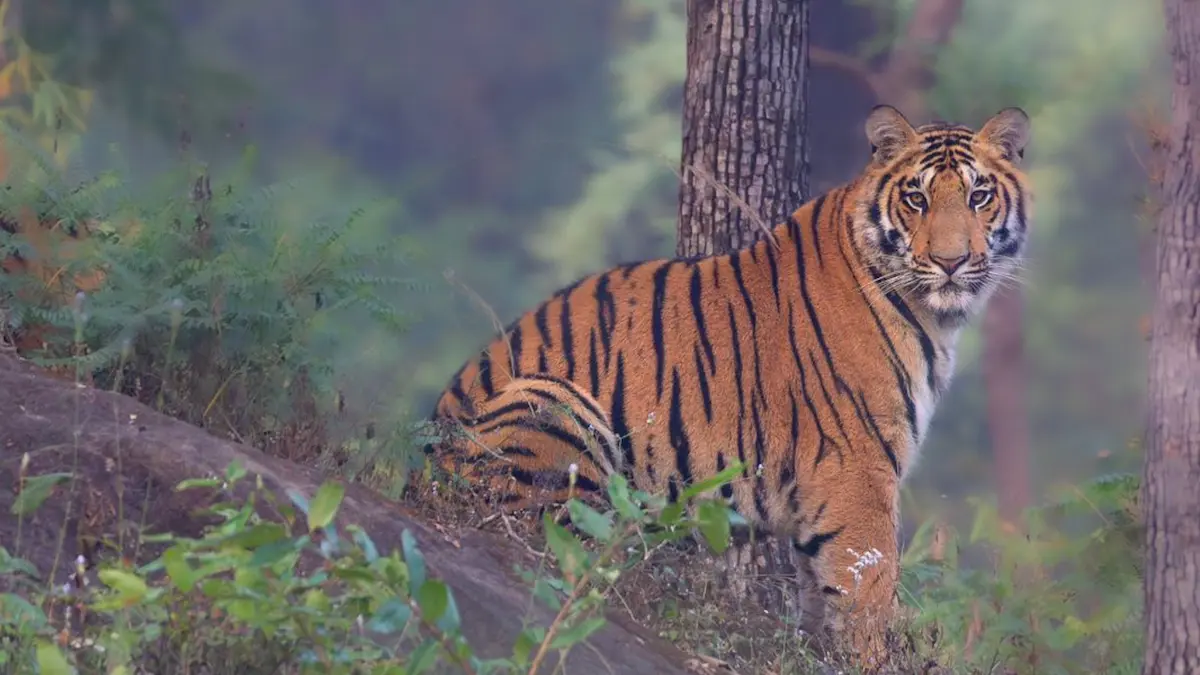
You can hear the forest before you see it. The sounds of birds, insects, and distant calls of monkeys. Then silence. That silence usually means something big is moving through the trees.
When you experience an India wildlife safari, that moment comes. When you realise you’re not the hunter. You’re the one being watched. And that changes everything.
An India tiger safari isn’t about checking off a list. It’s about understanding why tigers exist here and what keeps them alive.
A Tiger Needs More Than Prey
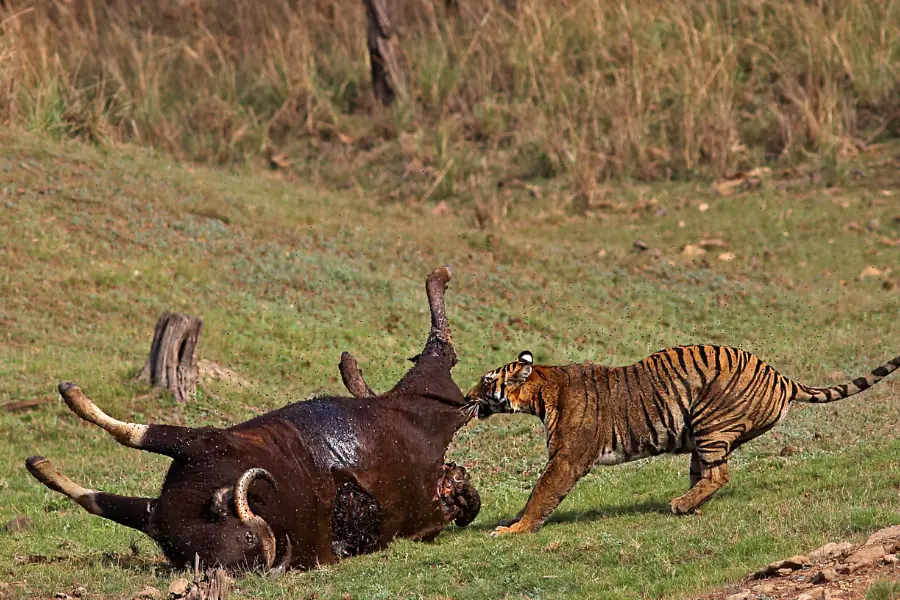
Tigers are apex predators. But they’re not alone. They’re the top of a pyramid that includes thousands of other lives.
A single tiger needs abundant prey. Deer herds must thrive. Boar must be plentiful. Wild buffalo must roam. If any of this collapses, the tiger starves. On an India wildlife safari, you see this connection clearly.
Central India’s reserves like Bandhavgarh National Park and Kanha National Park protect this entire system.
The Leopard That Hunts Differently
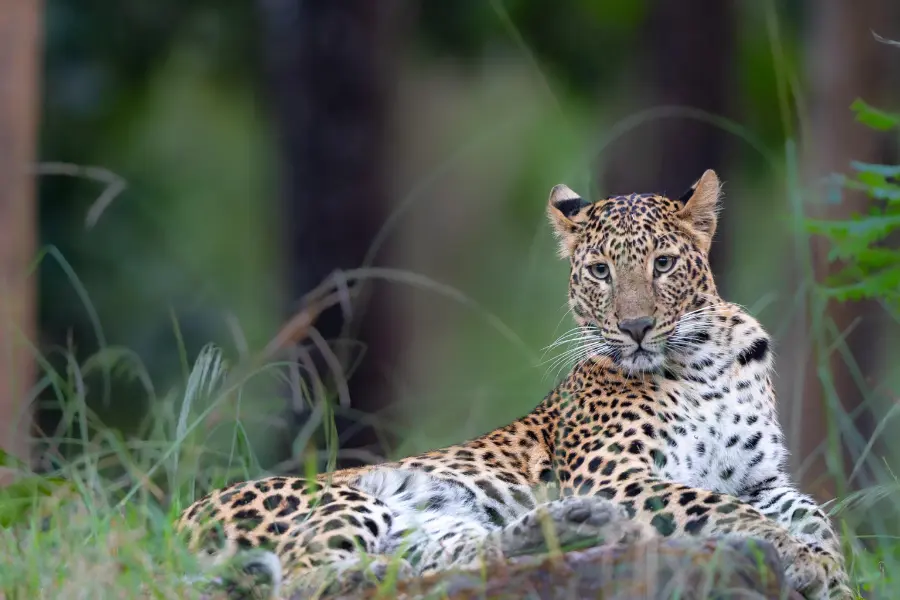
Tigers dominate the day. Leopards move through the night.
Most India tiger safari experiences focus on big cats. Fewer people understand that a healthy forest supports both. Leopards hunt differently. They’re solitary. They hunt smaller prey. They climb trees. They adapt to terrain that tigers avoid.
The Western Ghats in southern India hold some of the world’s healthiest leopard populations. Why? Because the forest is intact. Because prey animals are abundant. Because the ecosystem works.
When you see a leopard on an India wildlife safari, you’re seeing proof. Proof that the forest is healthy. Proof that nature is balanced.
The Animals Nobody Notices
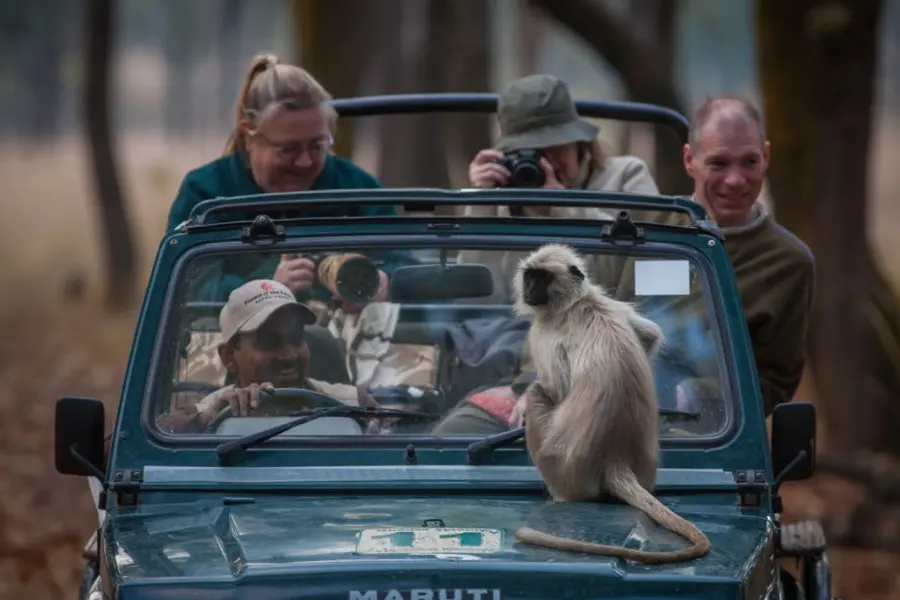
Walk through an Indian forest, and you’ll see movement everywhere. Monkeys scatter. Deer bolt. Wild boar crash through the undergrowth.
These animals matter more than people realise. They’re not the stars, but they’re the foundation. On an India wildlife safari, a guide teaches you to observe them. When prey animals are alert, something is hunting. When they are calm, the forest is at ease.
Each species tells you something about the forest’s health. Together, they create the ecosystem that makes tigers possible.
Why India’s Safaris Are Different
Most countries have one or two wildlife destinations. India has dozens. Bandhavgarh National Park in the north. Tadoba Andhari Tiger Reserve in central India. Periyar National Park in the south. Sundarbans National Park in the east.
Each place is different. Each has different animals, forests, and challenges. An India wildlife safari in one reserve feels completely different from another. This kind of diversity is rare.
The reason is simple. India protected its forests long before it became a global conversation. Because the idea was always clear. Protect the forest, and everything that depends on it survives.
What Changes When You See It
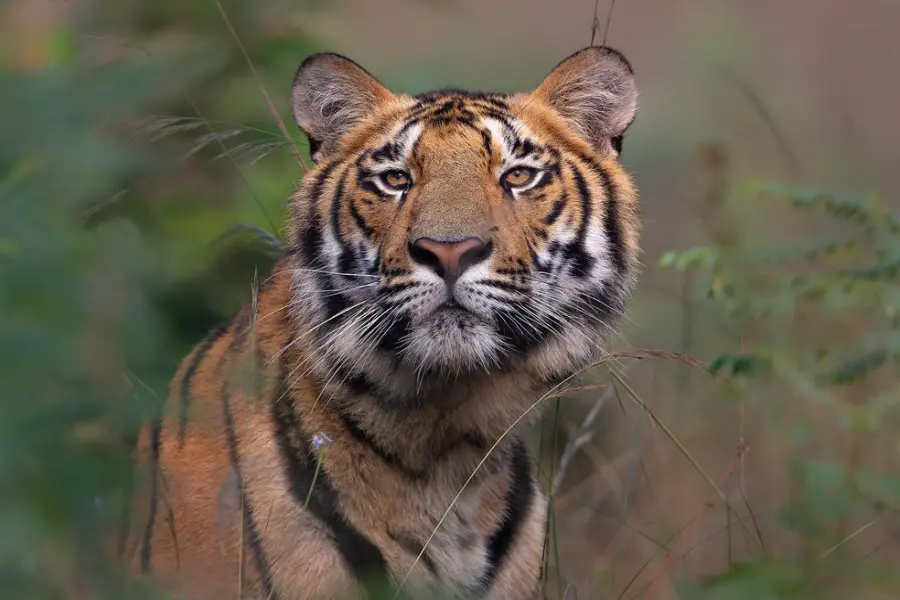
Most people think wildlife safaris are about the sighting. The tiger photo. The bragging rights.
A real India tiger safari feels different. You sit in a jeep at dawn. You wait. You watch. Hours pass. Then something shifts. A deer alarm call. A rustle in the undergrowth. The guide notices. Something is coming.
When the tiger finally appears, the moment lands differently. You understand why the forest matters. Why these animals matter. Why protection matters. It stops being about the sighting. It becomes about respect.
Conclusion
India’s wild heart lives in its forests. Tigers may be the symbol, but the real story is balance. In the prey animals. In the leopards that move through the night. In the monkeys, boar, and elephants that hold the system together.
What stays with you after an Indian wildlife safari with Just Nature Expeditions isn’t just the sightings. It’s the shift in how you notice the wild. The way you start understanding balance, not just moments.
The forest doesn’t need to prove anything. It simply exists, and that’s what makes it stay with you.