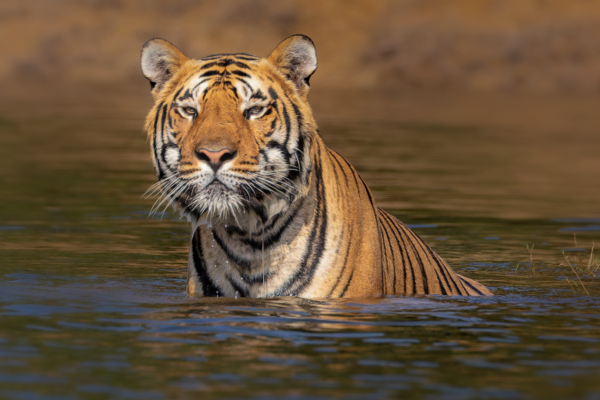

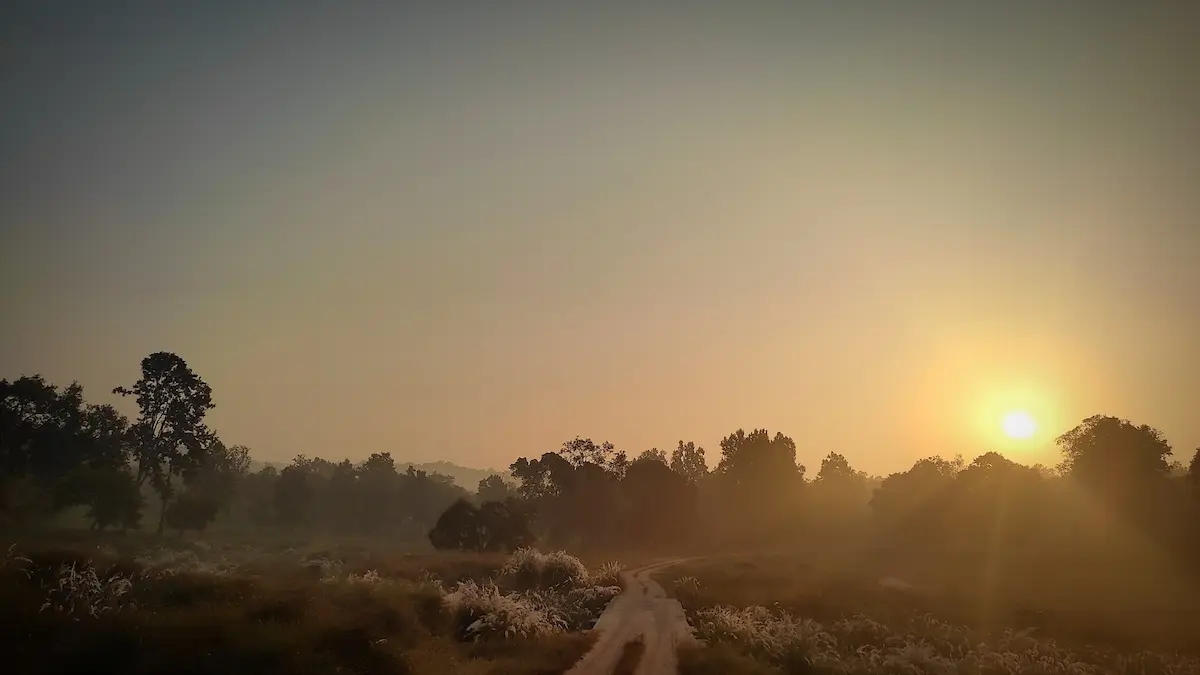
Kanha changes the way you look at a forest. What begins as a search for a tiger slowly turns into something deeper, an awareness of sounds, movements, and moments that would otherwise go unnoticed. The experience here isn’t defined by a single sighting, but by everything that builds up to it. A Kanha expedition is less about chasing the big cat and more about understanding the rhythm of a landscape that supports it.
A Landscape That Holds More Than Just Predators
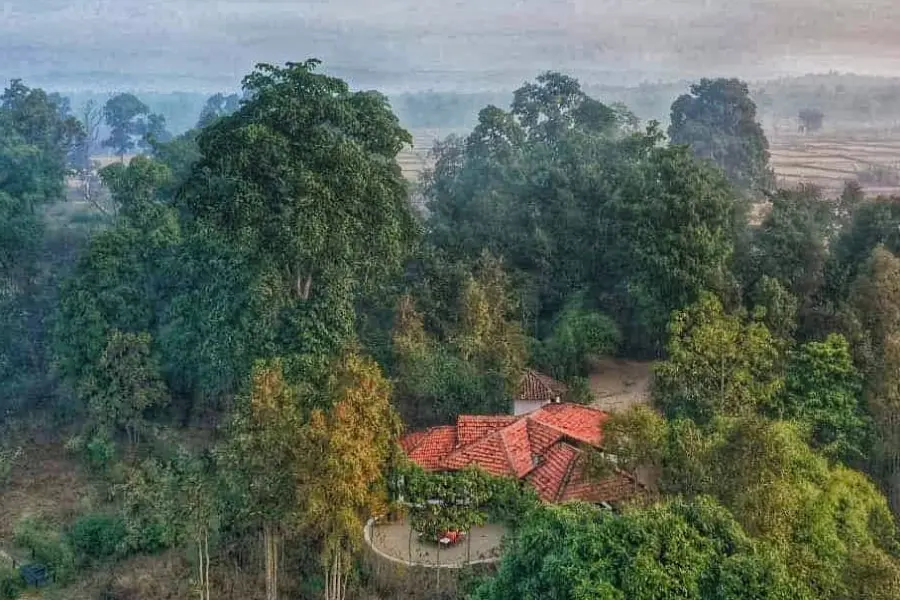
Kanha’s beauty lies in its diversity. Expansive meadows open into dense sal forests, while bamboo thickets create natural corridors for wildlife movement.
This variation in terrain makes every drive feel different. One moment you’re watching herds of barasingha grazing in golden grasslands, and the next, you’re navigating shaded forest trails where visibility drops and anticipation builds. This teaches you that the forest is layered; what you see is only a fraction of what exists.
Learning to Read the Forest
Before a tiger appears, the forest usually speaks. Alarm calls from deer, sudden silence in the canopy, or langurs fixated on a single direction, these are all signs that something is unfolding nearby.
On a Kanha expedition, you begin to understand these cues. It’s no longer about waiting for a sighting; it’s about interpreting behaviour. This shift in perspective transforms the safari from passive observation into active engagement with the ecosystem.
Wildlife Beyond the Tiger
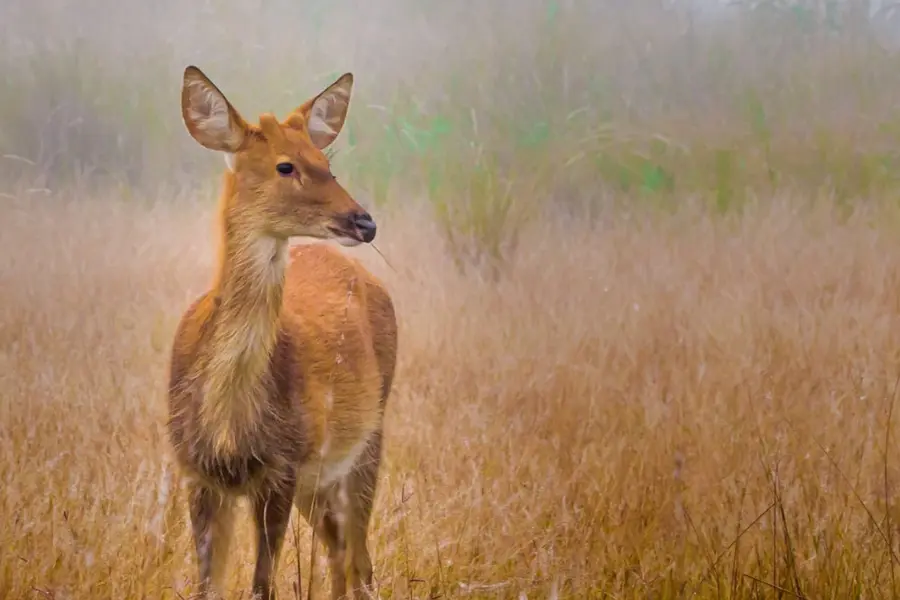
While tigers are the highlight, Kanha’s ecosystem supports a wide range of species that add depth to the experience. From gaur and wild dogs to rich birdlife, every safari offers encounters that feel equally meaningful.
Often, it’s these unexpected sightings that stay with you, the coordinated movement of a dhole pack or the stillness of a deer herd sensing danger. A Kanha expedition becomes richer when you stop measuring it by just one species.
The Pace of the Wild
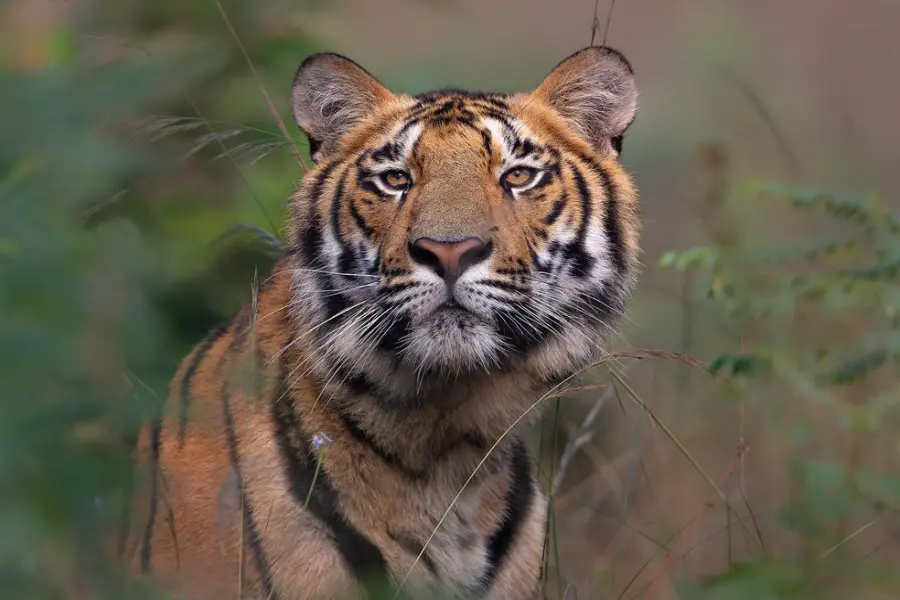
Kanha doesn’t operate on human timelines. There are long stretches of quiet, moments of stillness, and drives where nothing dramatic seems to happen. But that’s also where the real experience lies.
This teaches patience. It allows you to slow down, observe more closely, and appreciate the forest for what it is, not just a place for sightings, but a living, breathing environment. And when a tiger finally does appear, the moment feels earned rather than expected.
Conclusion
Kanha is not just a destination for tiger sightings; it’s a place that reshapes how you experience the wild. From its layered landscapes and diverse wildlife to the subtle cues that guide every sighting, it offers something far more immersive than a checklist-driven safari. If you’re looking to go beyond fleeting encounters and truly understand India’s forests, a Kanha expedition with Just Nature Expeditions brings together insight, patience, and experience in a way that stays with you long after the journey ends.