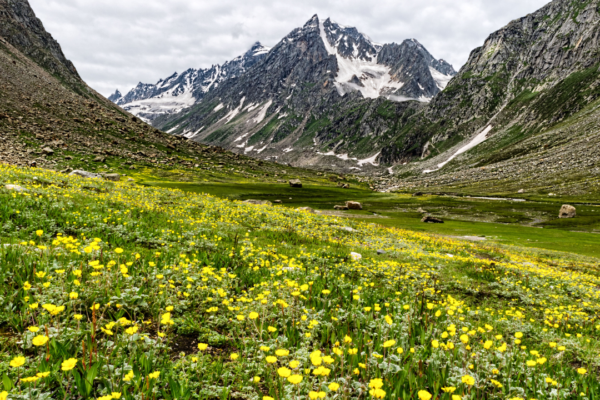

In Singalila, the forest tells the story long before the wildlife appears. Perched along the Eastern Himalayas, where clouds drift through trees and trails blur into mist, this landscape feels alive in a quiet, almost poetic way. It’s here, hidden among dense bamboo thickets and moss-covered forests, that the red panda exists, not as a spectacle, but as part of a delicate, interconnected world. A Red Panda Expedition into Singalila is not just about finding an animal; it’s about understanding the ecosystem that makes its survival possible.
A Forest Built on Balance
Singalila’s ecosystem is shaped by altitude, climate, and vegetation that change subtly as you move through it. Dense temperate forests, rich in bamboo and rhododendrons, form the foundation of this habitat. These forests are not just scenic; they are essential. Red pandas rely heavily on bamboo as their primary food source, making these forests critical to their survival.
But what makes Singalila unique is how everything feels interconnected. The mist, the moisture, the trees, and the undergrowth all contribute to a fragile balance. You begin to notice that this is not just a forest, it’s a carefully held system where every element supports another.
The Red Panda: A Quiet Resident of the Canopy
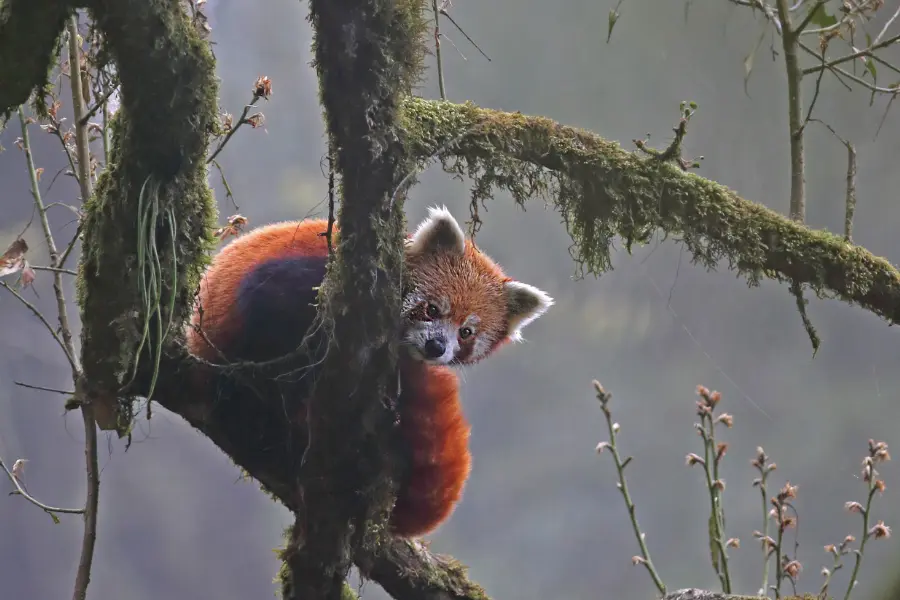
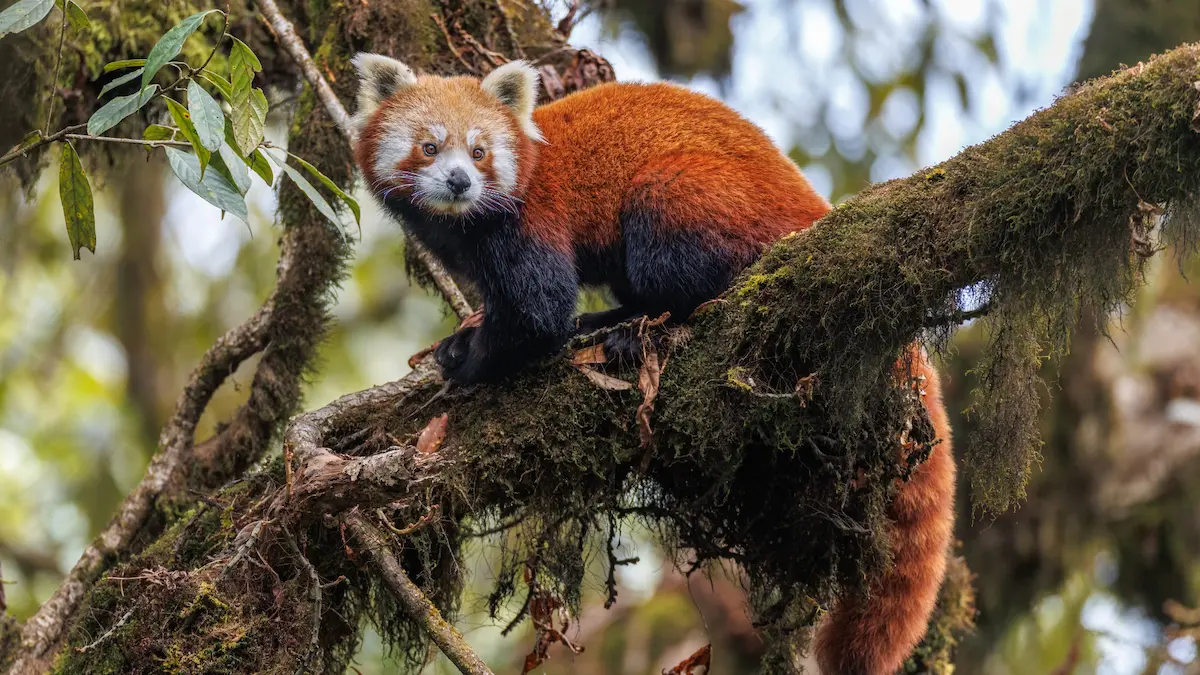
Unlike larger, more visible wildlife, the red panda lives a life of subtlety. It spends much of its time in trees, moving quietly through the canopy, often going unnoticed even when it’s close by. Its behaviour is shaped by the need to conserve energy and stay hidden, which is why sightings feel rare and deeply rewarding.
In Singalila, the red panda is more than just a species; it’s a reflection of the health of the forest. As an endangered animal, its presence signals that the ecosystem is still functioning as it should.
A Red Panda Expedition becomes meaningful not because of guaranteed sightings, but because of the understanding that you are stepping into a space where such life still exists.
Beyond the Panda: A Living Himalayan Ecosystem
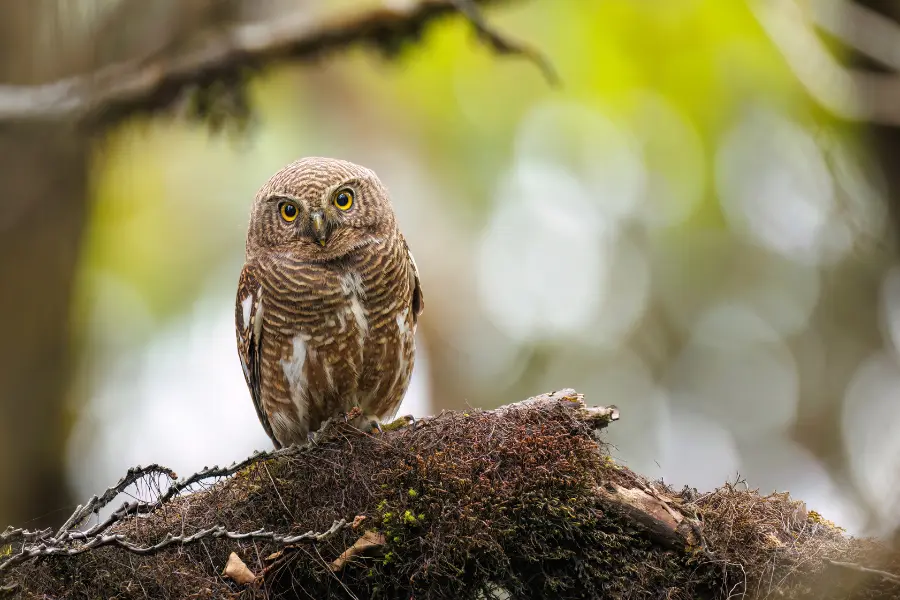
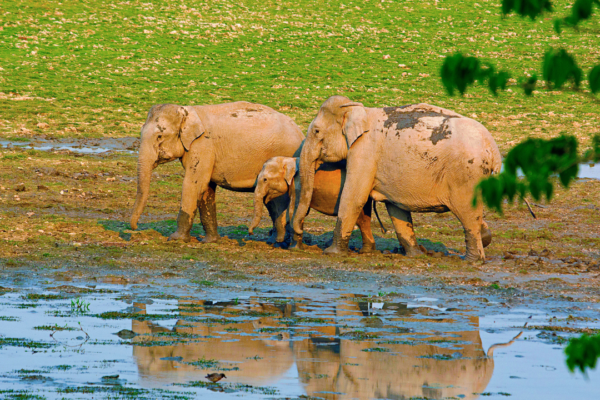
While the red panda may be the highlight, Singalila is home to a wide range of wildlife, from Himalayan black bears and leopard cats to a rich diversity of birdlife.
This biodiversity adds depth to the experience, reminding travellers that the forest is not built around a single species, but around a network of life.
Walking through Singalila, you begin to notice the details, the sound of birds cutting through the silence, the movement of leaves, the distant rustle that hints at unseen life. An expedition here becomes less about a checklist and more about immersing yourself in a living, breathing environment.
The Fragility of the Forest
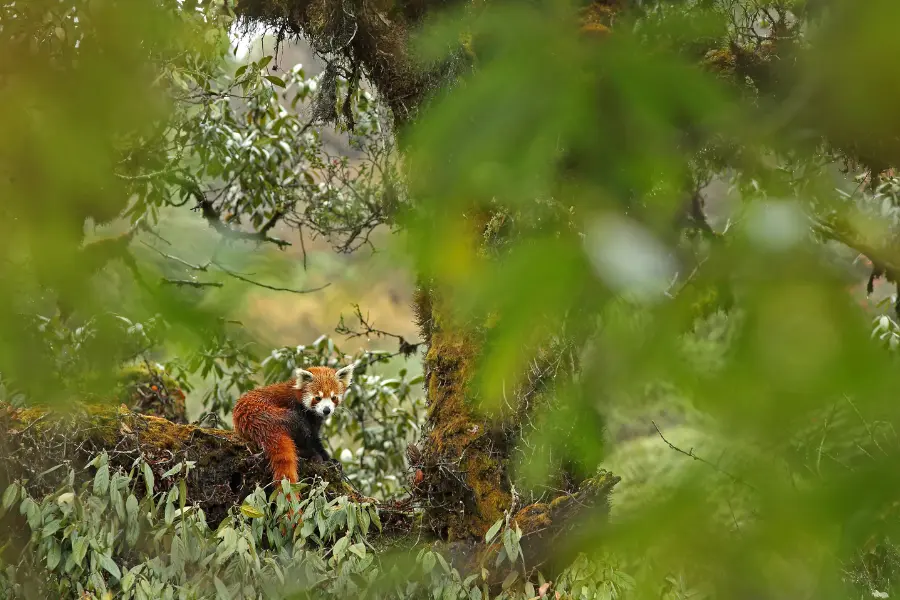
Singalila’s beauty comes with vulnerability. Habitat loss, climate change, and human pressures have made the red panda increasingly rare across its range.
What makes this region important is not just its ability to host wildlife, but its role in conservation.
Efforts to protect and restore red panda populations, including habitat preservation and reintroduction programs, are helping sustain this ecosystem. But these efforts rely on awareness and responsible travel. A Red Panda Expedition is, in many ways, also a step towards supporting these fragile landscapes.
Conclusion
Singalila is not defined by a single sighting; it is defined by everything that leads up to it. The forests, the altitude, the silence, and the subtle movements all come together to create an experience that feels both rare and grounding. Understanding this ecosystem allows you to see the red panda not just as a fleeting moment, but as part of a much larger story. Through carefully curated Red Panda Expedition journeys by Just Nature Expeditions, travellers are able to experience Singalila with a deeper sense of purpose and connection.