
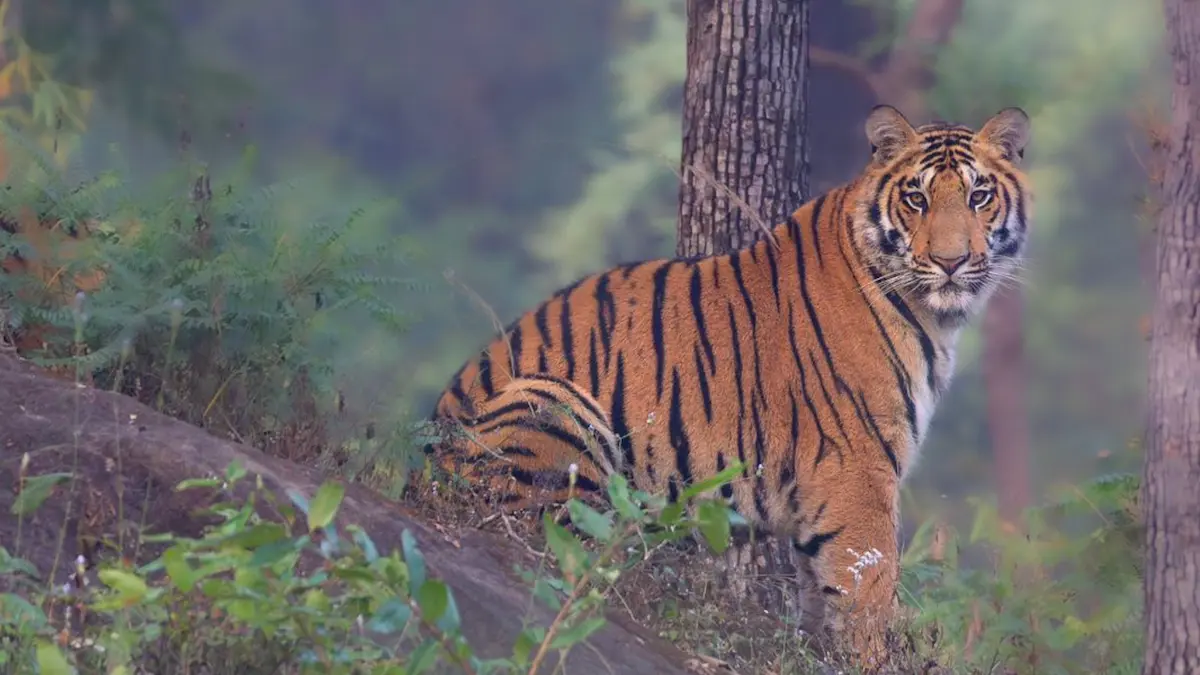
India’s forests are alive with subtle stories, stories told through alarm calls, silent trails, and fleeting glimpses of striped silhouettes disappearing into the wilderness. To truly understand tigers, one must look beyond sightings and photographs. Field safaris offer an immersive way to observe how these majestic predators live, hunt, and adapt to their surroundings. An Indian Wildlife Safari is not just an adventure into the wild, but an intimate journey into the world of India’s most iconic big cat.
Reading the Forest: How Tigers Define Their Territory
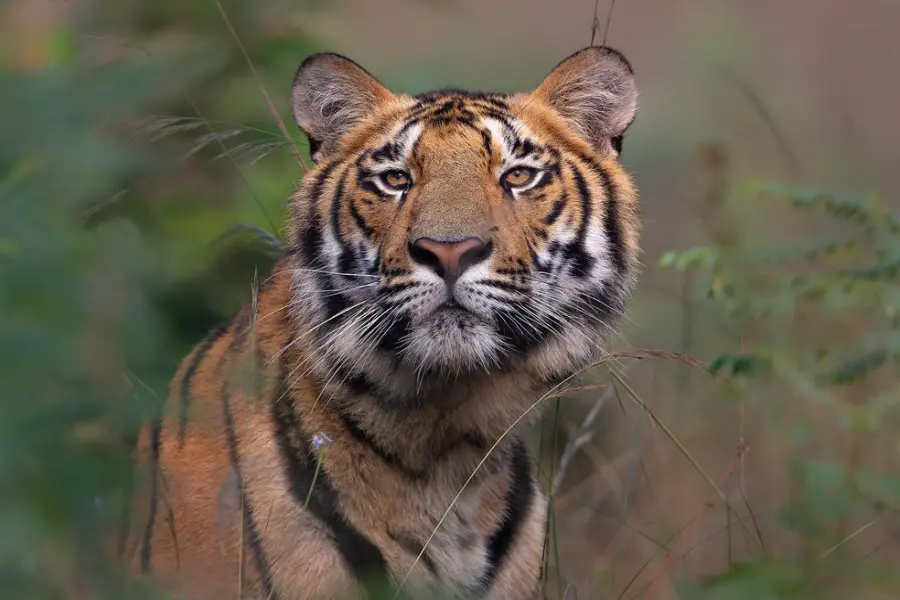
Tigers are deeply territorial animals, and their behaviour is shaped by the landscapes they inhabit. Every scratch mark on a tree, every scent trail, and every chosen pathway reveal how a tiger claims and protects its domain. During an Indian Tiger Safari, these subtle signs often tell a story long before a tiger is actually seen.
Observing territorial behaviour in the wild helps travellers understand that tigers are not just powerful hunters; they are strategic beings who carefully manage their space to ensure survival. The forest becomes a living map of instincts, boundaries, and silent communication.
The Art of the Hunt: Patience Before Power
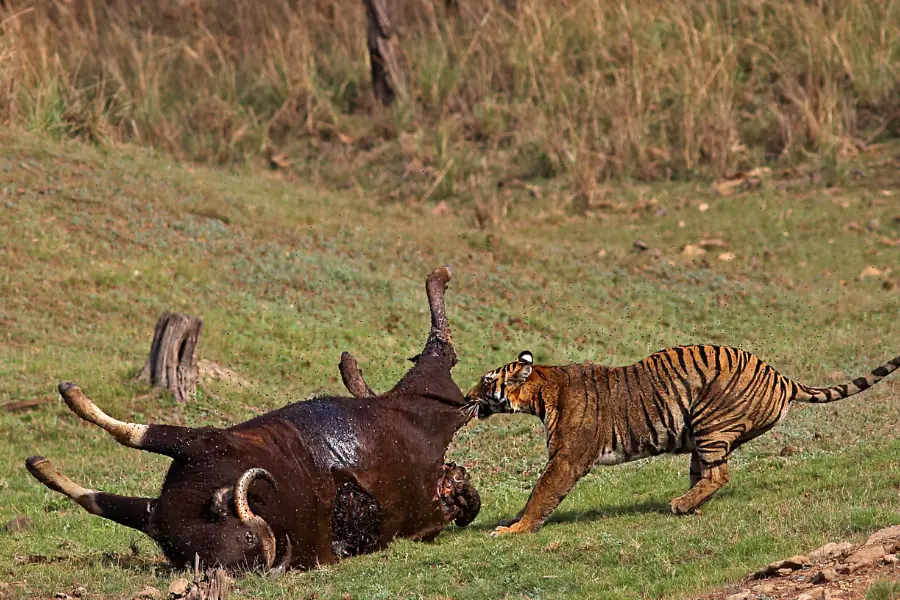
Unlike many predators, tigers rely more on stealth and timing than sheer speed. Their hunting behaviour reflects a delicate balance between patience and precision. On an Indian Wildlife Safari, moments of stillness often reveal more than dramatic chases, showing how tigers wait, observe, and strike only when the moment is right.
Witnessing this process in the wild highlights the intelligence behind every movement. A tiger’s hunt is not just about strength, but about understanding terrain, prey patterns, and the rhythm of the forest itself.
Solitary Yet Connected: The Tiger’s Social World

Tigers are often seen as solitary animals, but their lives are quietly interconnected. From a tigress nurturing her cubs to subtle encounters between neighbouring tigers, their social dynamics are more complex than they appear. Experiencing these moments through an Indian Tiger Safari offers a deeper perspective on the emotional and instinctive sides of tiger behaviour.
These rare glimpses into their social world remind us that even the most solitary predators are shaped by relationships, survival challenges, and inherited instincts.
Landscapes That Shape Behaviour
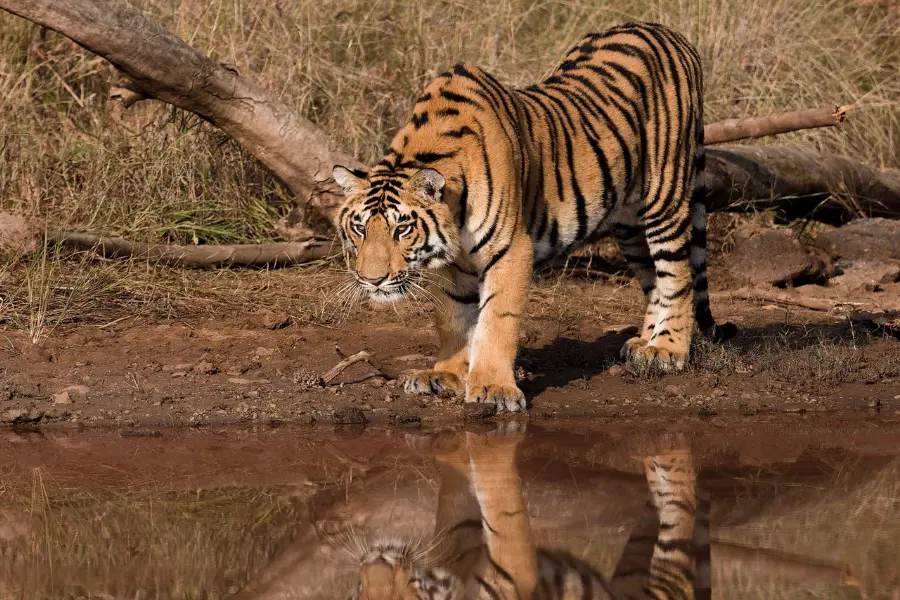
India’s diverse ecosystems, from dense forests and grasslands to riverine habitats, play a powerful role in shaping how tigers behave. Tigers adapt their hunting styles, movement patterns, and activity cycles depending on their environment. An Indian Wildlife Safari across different regions reveals how each landscape influences the personality and behaviour of its resident tigers.
This connection between habitat and behaviour makes every safari unique. No two forests are the same, and no two tiger encounters follow the same story.
Conclusion
Understanding tiger behaviour is not about decoding a single sighting; it is about observing patterns, instincts, and emotions over time. Field safaris offer a rare opportunity to witness these nuances, transforming wildlife travel into a meaningful learning experience. If you wish to explore India’s wild heart and experience the depth of tiger behaviour firsthand, an India Tiger Safari is the most immersive way to connect with the country’s extraordinary wilderness.