
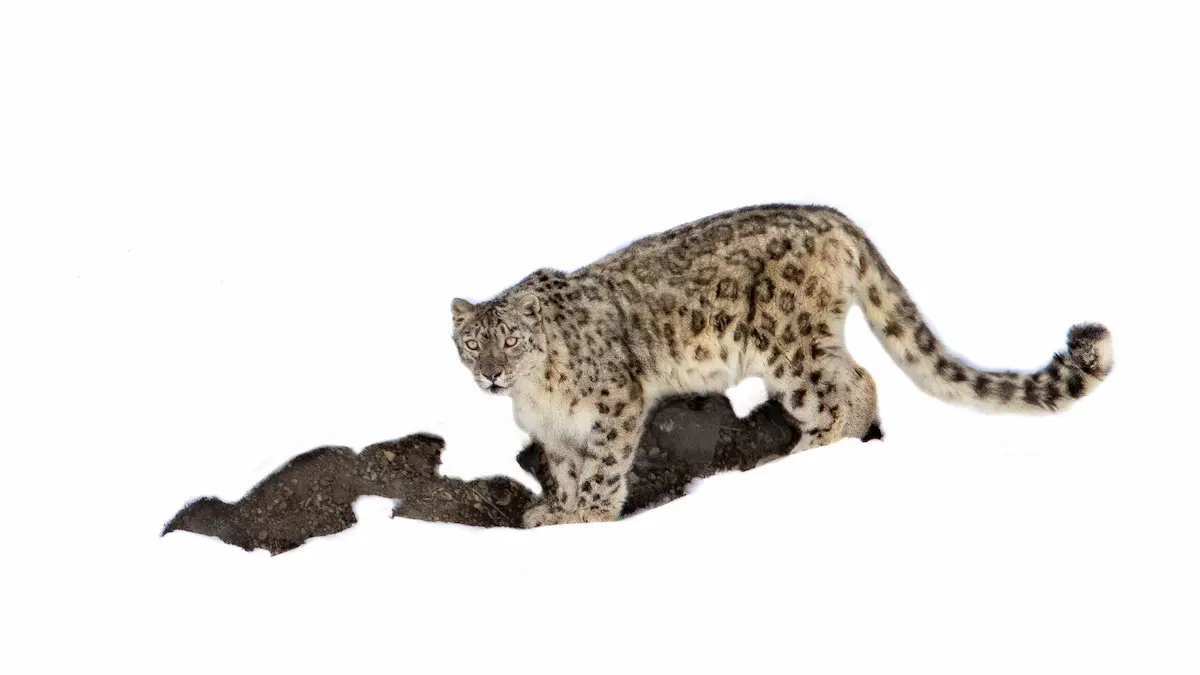
A snow leopard expedition is one of the most extraordinary wildlife journeys on earth, reason being that it is an experience that blends patience, adventure, and raw Himalayan wilderness. But spotting this elusive “Ghost of the Mountains” requires more than just luck; it demands preparation, understanding, and the right techniques. Whether you’re a first-time explorer or a seasoned wildlife traveller, knowing how to track, observe, and photograph snow leopards can transform your expedition into an unforgettable success.
Understanding Snow Leopard Behaviour Before You Go
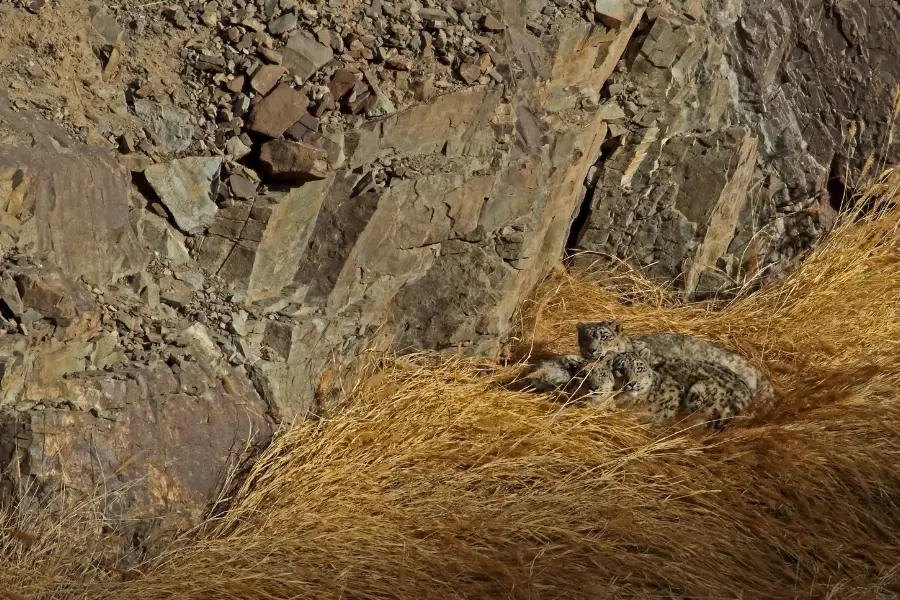
Before setting foot into the high-altitude terrain, it’s essential to understand how snow leopards behave. These big cats are solitary, highly camouflaged, and most active during dawn and dusk. Their movement patterns revolve around prey availability and rocky terrain that offers natural cover. Learning their typical routes, territorial markings, and preferred ridgelines helps you make sense of every sighting sign during the expedition. A well-informed traveller often ends up appreciating the journey as much as the sighting itself.
Mastering the Art of Tracking in Harsh Terrain
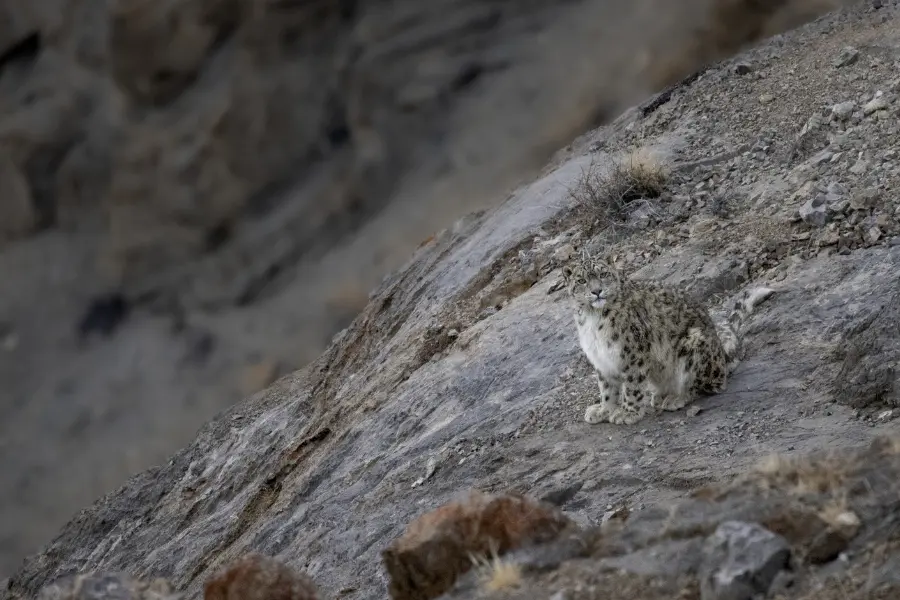
Tracking a snow leopard is a slow, precise art that requires both skill and patience. The mountains of Ladakh and Spiti often reveal subtle clues, fresh pugmarks, scrape marks on ridges, or the alarm calls of blue sheep and ibex. Professional trackers use these signals to determine movement direction and potential resting spots. As a guest, understanding what these signs indicate will elevate your experience and help you feel more connected to the process. The journey of following these clues becomes one of the most rewarding aspects of the expedition.
Preparing Your Gear for High-Altitude Photography
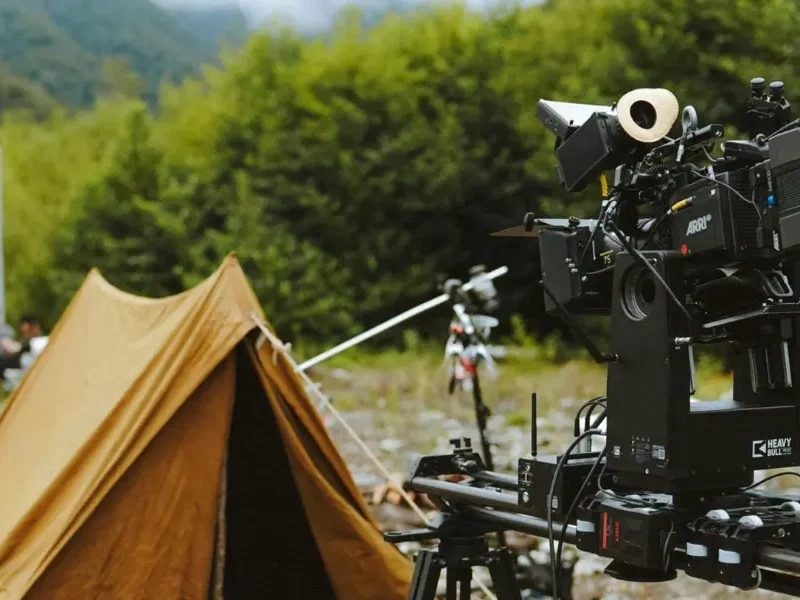
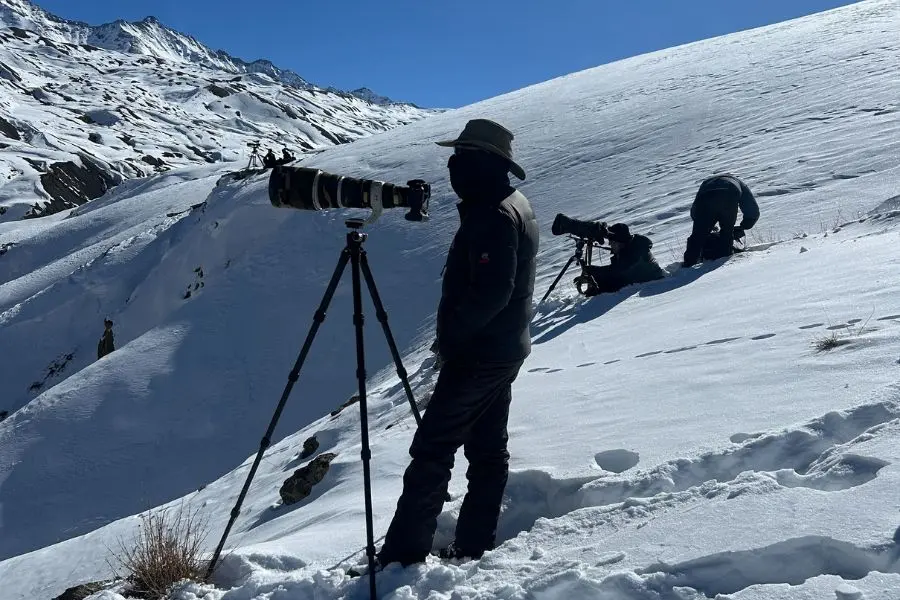
Snow leopard photography demands a balance of readiness and restraint. High-altitude conditions can be harsh, thin air, extreme cold, and unpredictable winds. Carrying weatherproof gear, spare batteries, and telephoto lenses (usually 400–600mm) is essential. Stability is equally crucial, so a sturdy tripod or monopod helps capture distant subjects with clarity. Remember, photography during the snow leopard expedition is about patience; sometimes you may spend hours observing a single rocky slope. But when the moment finally reveals itself, those seconds turn into images that stay with you forever.
Working with Expert Naturalists and Local Communities
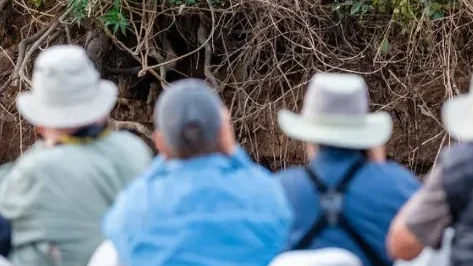
The success of any expedition relies heavily on the people guiding it. Local spotters, village conservationists, and trained naturalists bring unmatched knowledge of the terrain and wildlife movements. They understand the behavioural cues, the Himalayan weather, and the ecosystem’s delicate balance. Listening to them not only enhances your chances of a sighting but also deepens your understanding of the habitat. Their presence helps ensure your journey is safe, responsible, and respectful toward the wildlife and communities you encounter.
Practising Patience, Respect, and Responsible Tourism
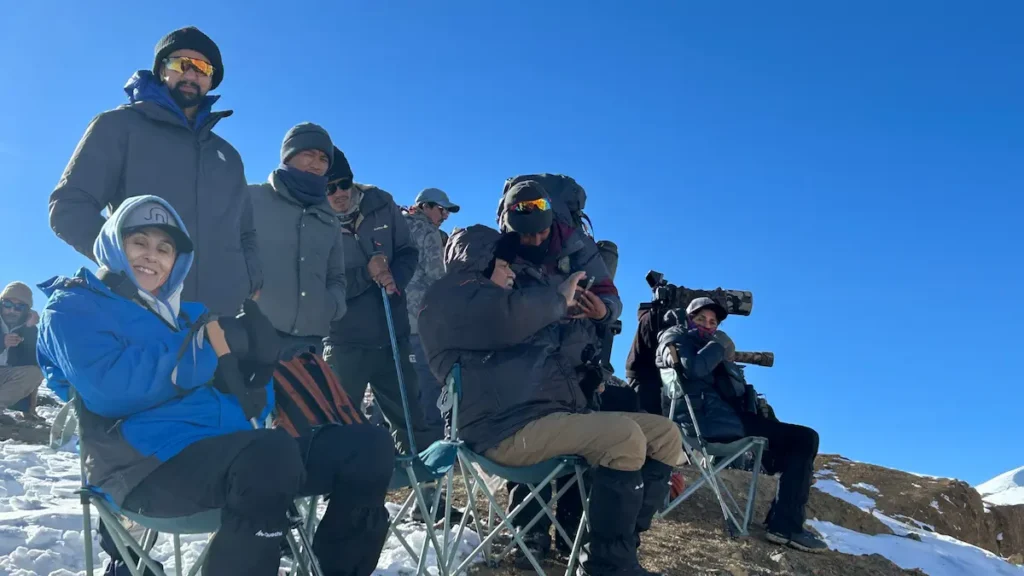
Snow leopard sightings don’t follow a timetable. Some days are filled with action; others flow in quiet anticipation. Practising patience, respecting the environment, and following ethical wildlife guidelines ensures a meaningful and responsible experience. Keep noise minimal, avoid sudden movements, and maintain recommended distances. When you experience the expedition with mindfulness, you become part of the landscape rather than an intrusion, creating space for magical, authentic moments.
Conclusion
A well-planned snow leopard expedition is never just about the sighting. It’s the slow, rewarding process of reading the mountains, understanding the behaviour of this elusive cat, and letting the silence of high-altitude wilderness change the way you see the natural world. When you know what signs to look for, carry the right gear, and travel with people who have spent years tracking these animals, every day in the field becomes meaningful, whether the snow leopard reveals itself or not.
If you’re dreaming of seeing this ghost of the mountains in its true habitat, Just Nature Expeditions runs dedicated snow leopard expeditions in both Spiti and Ladakh. Each journey is led by experienced naturalists and local spotters who know these landscapes intimately. When you’re ready to take the next step, plan your snow leopard adventure with Just Nature Expeditions and experience the Himalayas at their wildest