
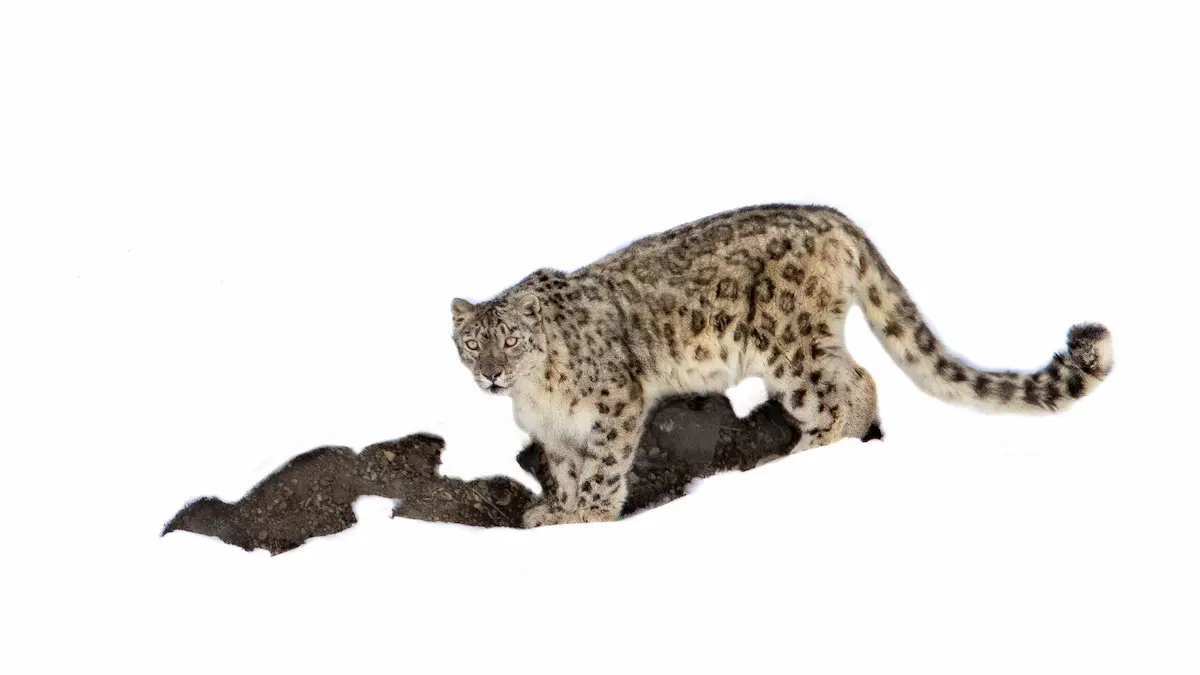
Spotting a snow leopard is rarely about luck. It’s about patience, understanding, and learning to read a landscape that, at first glance, seems silent and still. High in the Himalayas, where the air is thin and the terrain unforgiving, the snow leopard moves like a shadow, present, yet almost invisible. For travellers on a Snow Leopard Expedition, sightings are not random moments, but the result of carefully observing patterns, behaviour, and terrain that define the life of this elusive predator.
Reading the Terrain: Where the Mountains Reveal More Than They Show
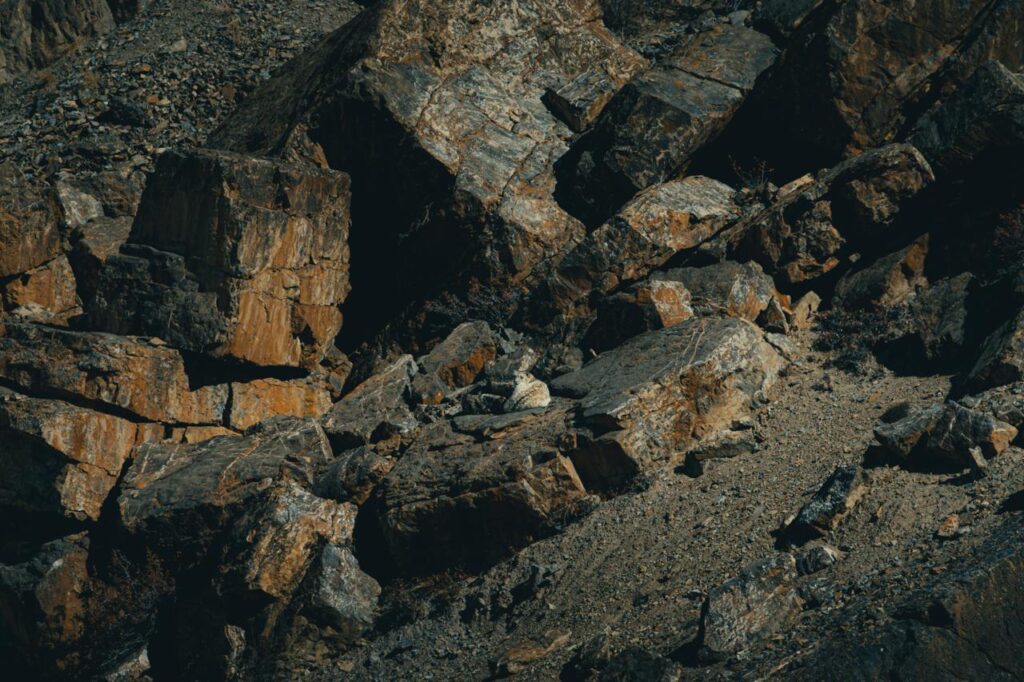
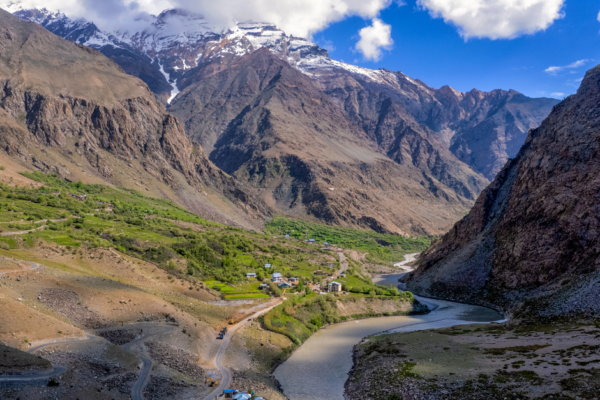
Snow leopards are perfectly adapted to rugged, high-altitude environments. They favour steep ridgelines, rocky outcrops, and cliff bases, areas that offer both vantage points and natural camouflage. To an untrained eye, these landscapes may seem empty, but they are anything but.
During the expedition, the terrain becomes your first guide. Naturalists and trackers scan slopes for subtle movement, blending patterns, or even the faint outline of a resting cat against the rocks. Understanding how snow leopards use elevation and terrain is often the key to finding them, not by chasing, but by observing where they are most likely to appear.
Behaviour Patterns: Why Timing Matters
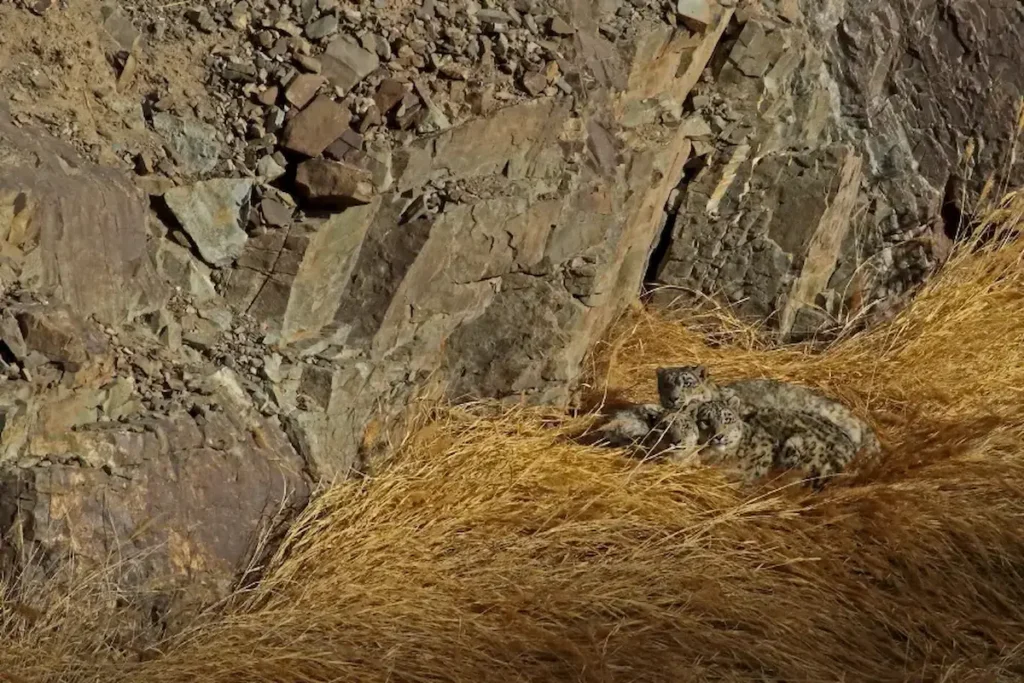
Snow leopards are creatures of rhythm. Their activity is often influenced by the movement of prey, temperature shifts, and light conditions. Early mornings and late afternoons tend to offer higher chances of sightings, when the mountains are quieter and wildlife is more active.
On a Snow Leopard Expedition, days are built around these patterns. Long hours of scanning are balanced with moments of sudden excitement, when a distant movement turns into a confirmed sighting. Understanding behaviour means accepting that the experience is as much about waiting as it is about watching.
The Role of Prey and Ecosystem
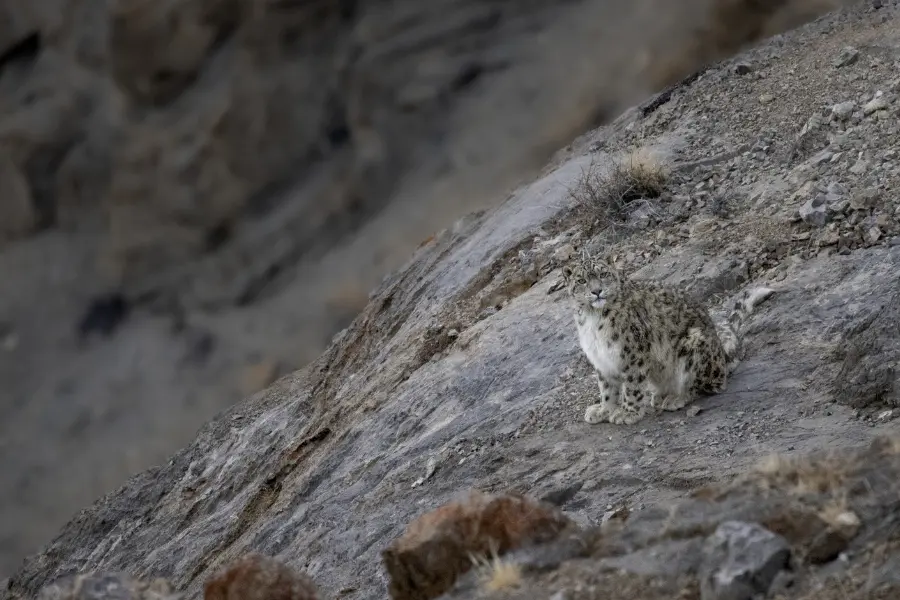
A snow leopard’s presence is closely tied to the availability of prey such as blue sheep and ibex. These animals follow their own patterns, often moving across slopes and grazing areas that indirectly guide the predator’s movement.
This interconnected ecosystem becomes more apparent during a Snow Leopard Expedition, where trackers often begin by locating prey before predicting the presence of a snow leopard. It’s a reminder that sightings are not isolated events, but part of a larger ecological story unfolding across the mountains.
Patience and Perspective: The Human Element of Sightings
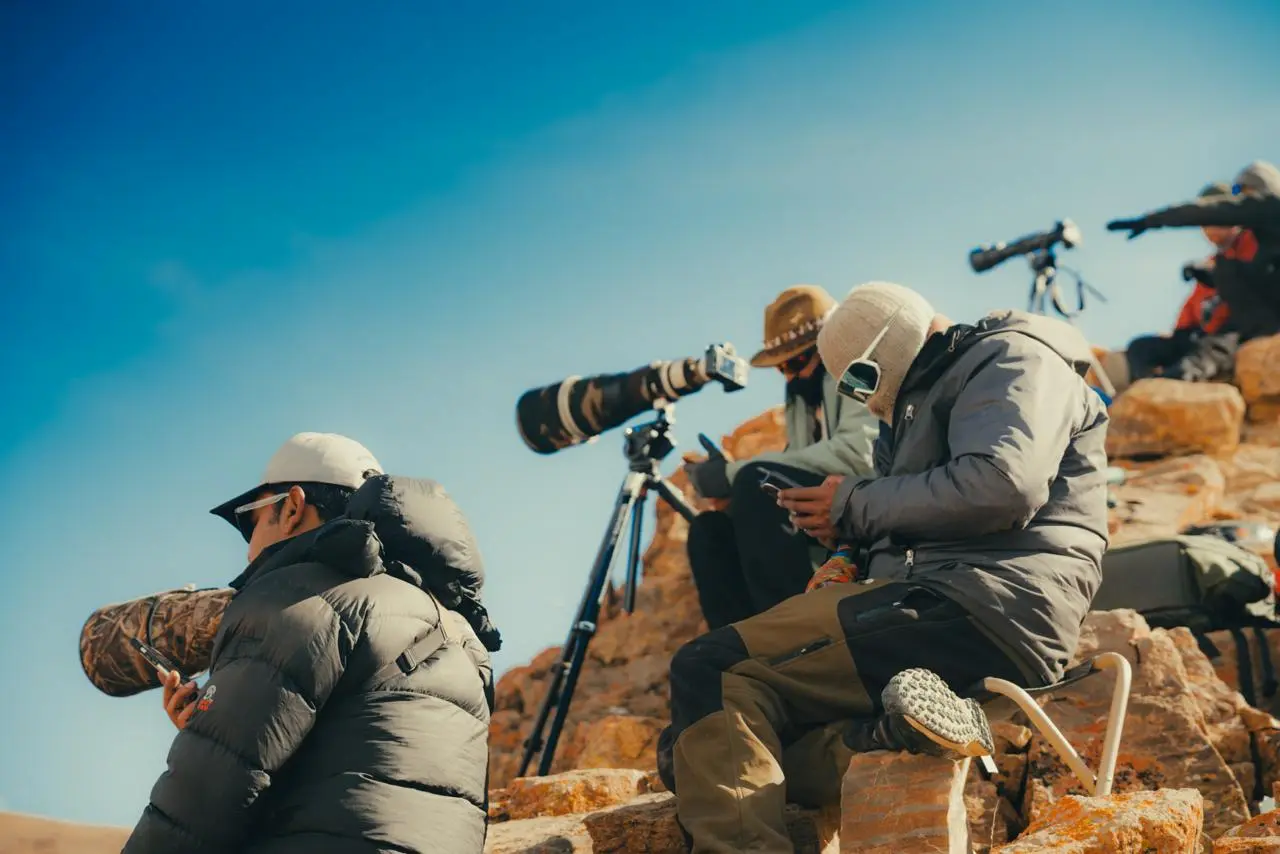
Perhaps the most important aspect of spotting a snow leopard is patience. Unlike traditional safaris, where sightings can be frequent and fast-paced, the Himalayas demand a slower approach. Hours may pass with no visible movement, only for a single moment to make the entire journey worthwhile.
This teaches travellers to shift their perspective, from seeking instant results to appreciating the process. The stillness, the anticipation, and the shared excitement of spotting something rare create an experience that feels deeply rewarding.
Conclusion
Snow leopard sightings are not defined by chance, but by an understanding of landscape, behaviour, and the delicate balance of the ecosystem. Each sighting carries meaning because of the effort and awareness that led up to it. For those willing to slow down and truly engage with the mountains, a Snow Leopard Expedition offers more than just a glimpse of an elusive predator; it offers a deeper connection to one of the wildest places on earth.